Smart Air Purifier: Find the Right One for Your Home in 2026
Smart air purifiers add Wi-Fi, app control, and air-quality monitoring to conventional air-cleaning technology. Compare models by filtration specs, room coverage, and the connected features you actually need.
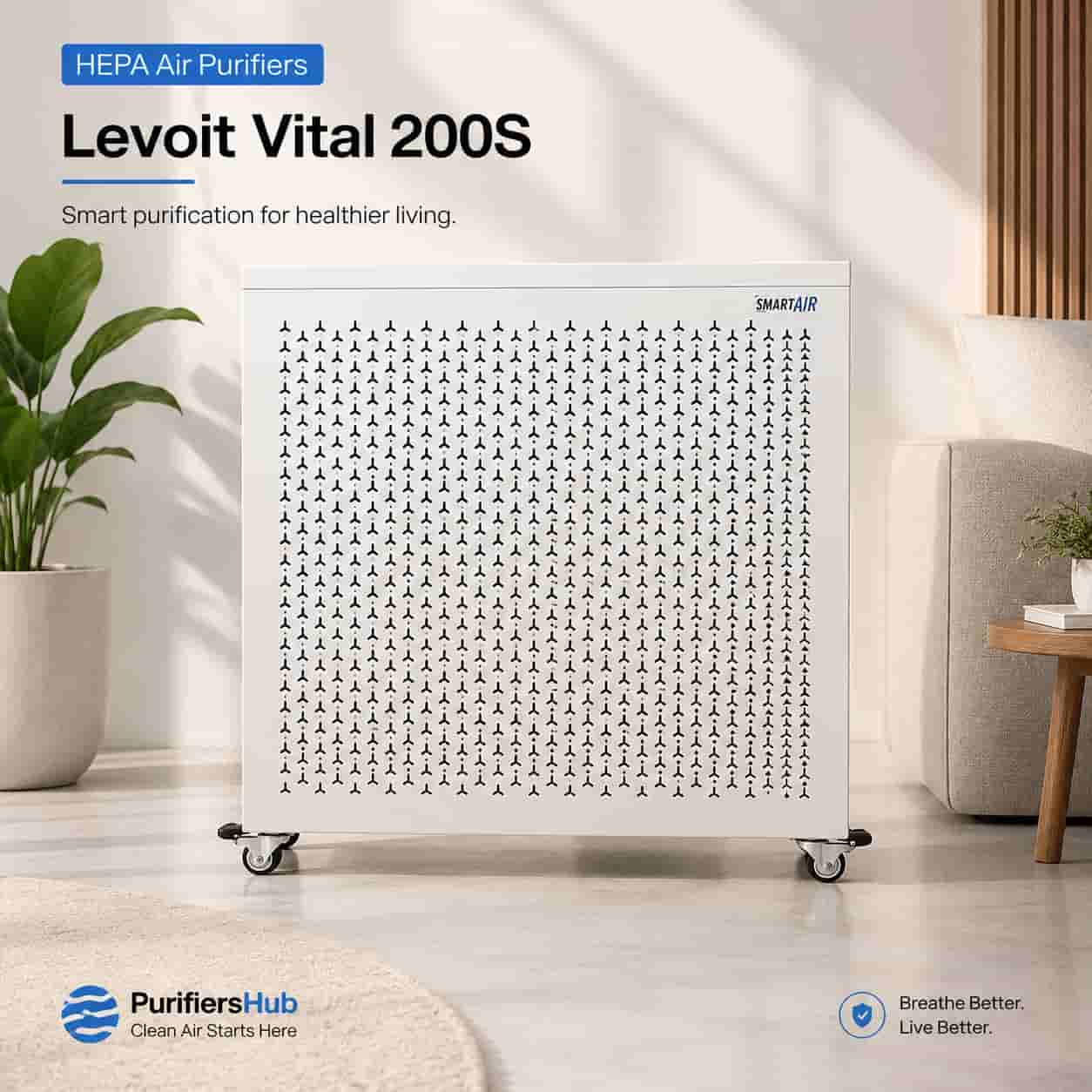
Levoit Vital 200S
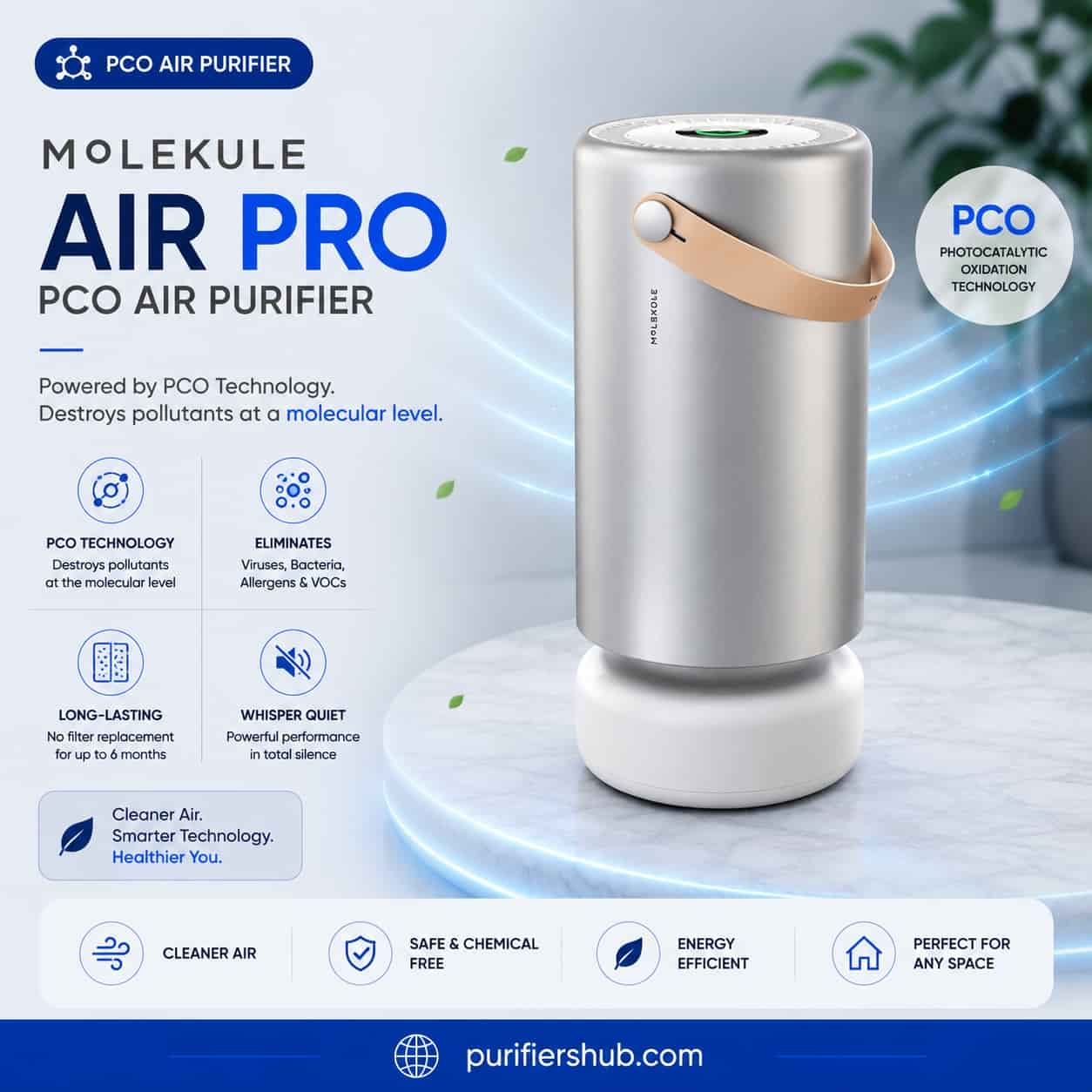
Molekule Air Pro
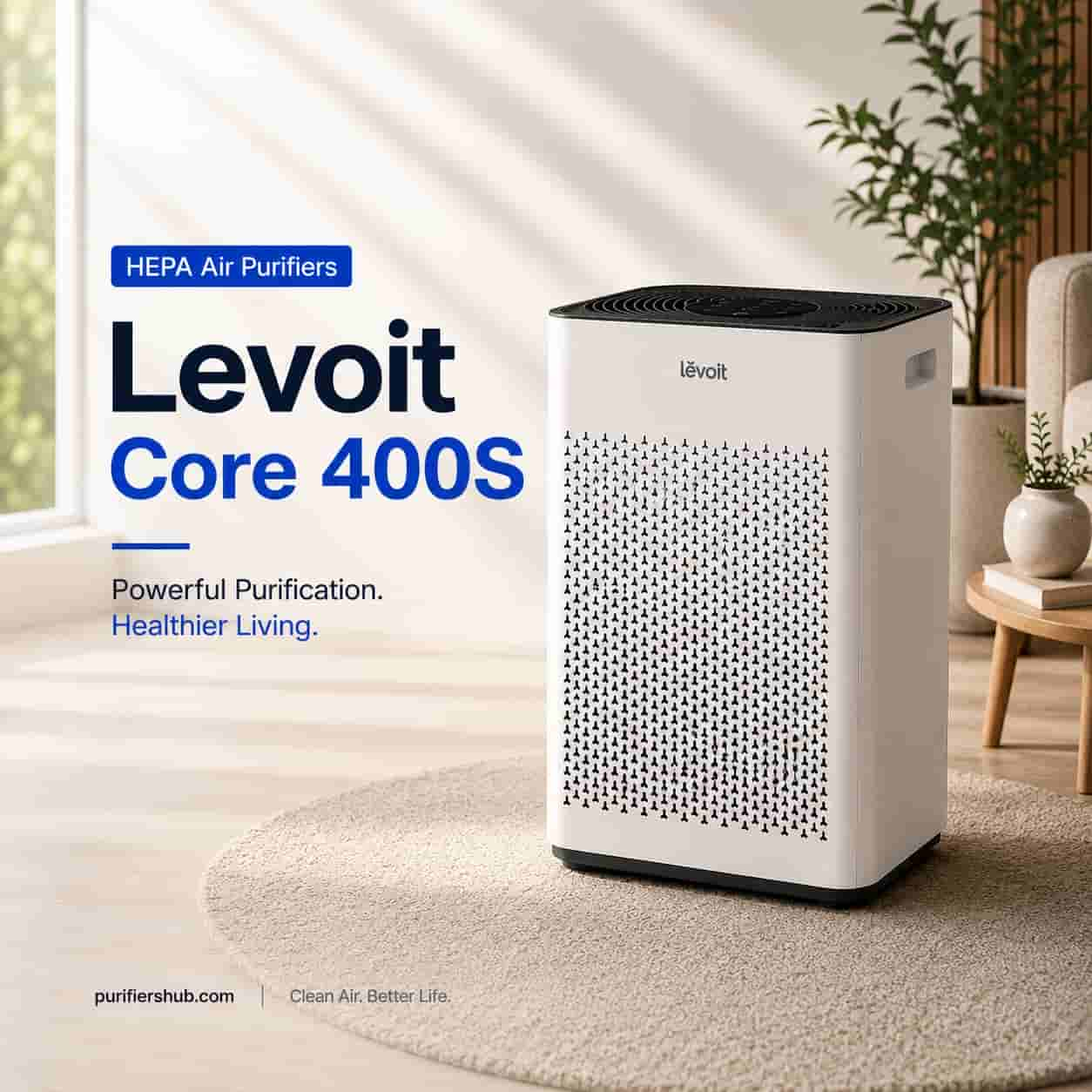
Levoit Core 400S
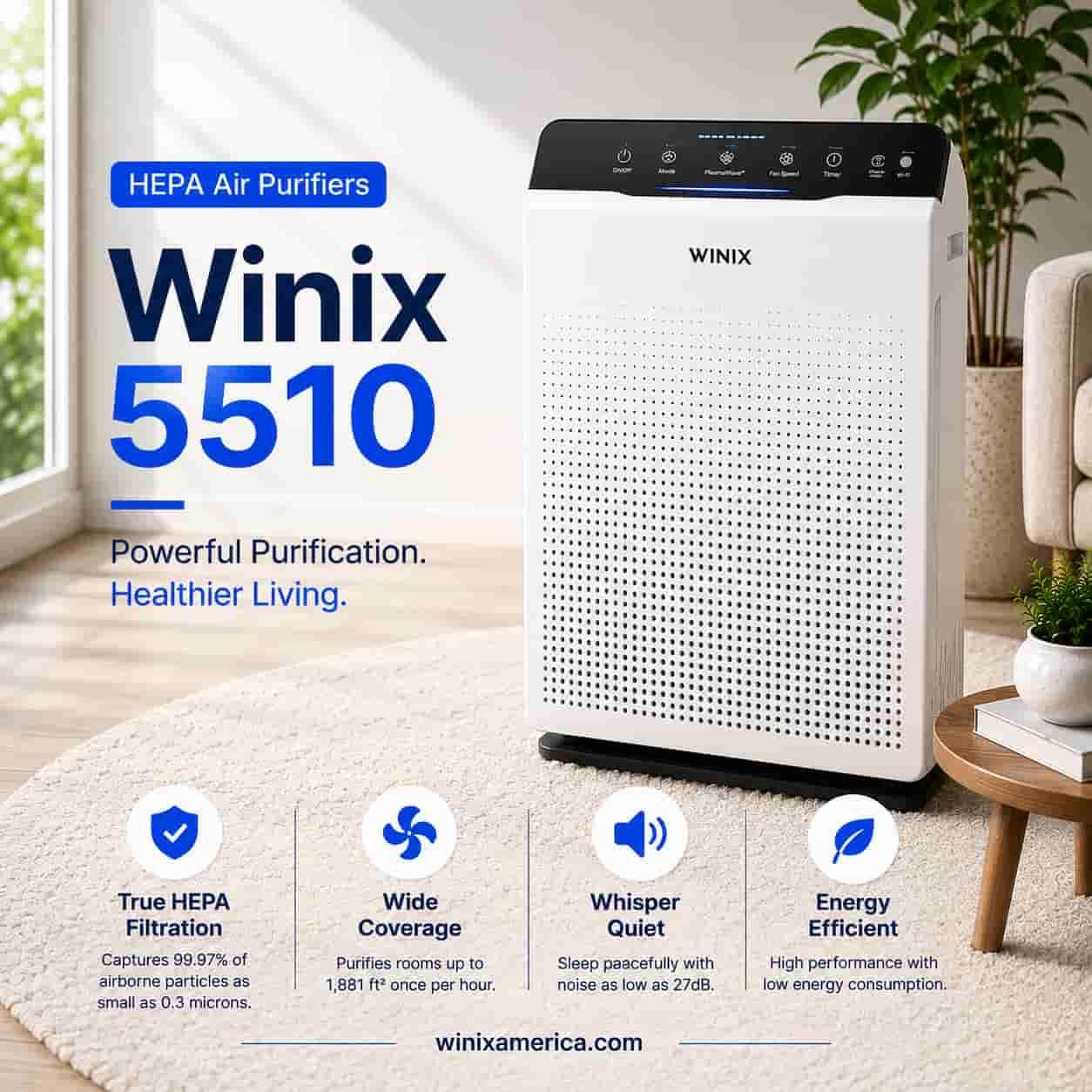
Winix 5510
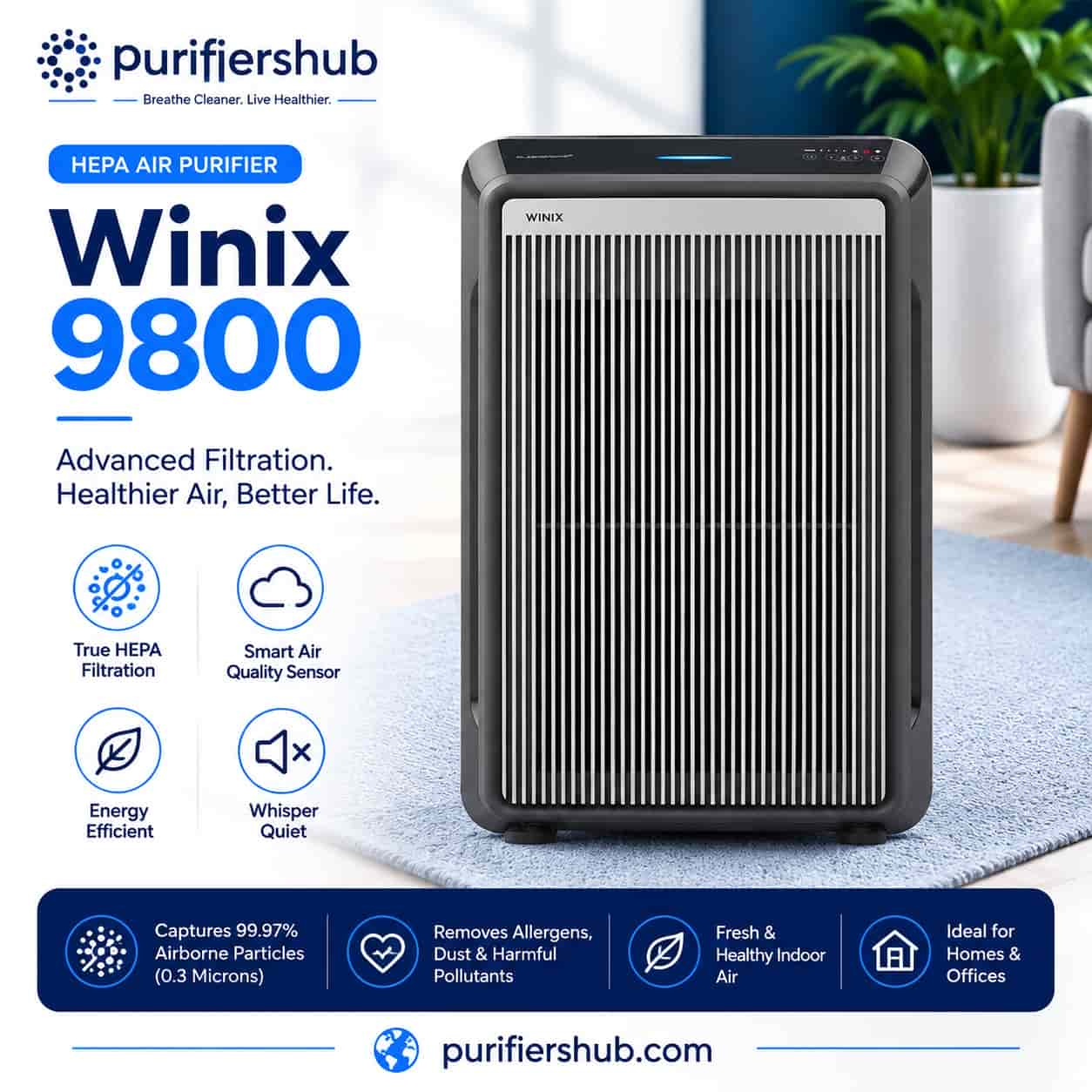
Winix 9800
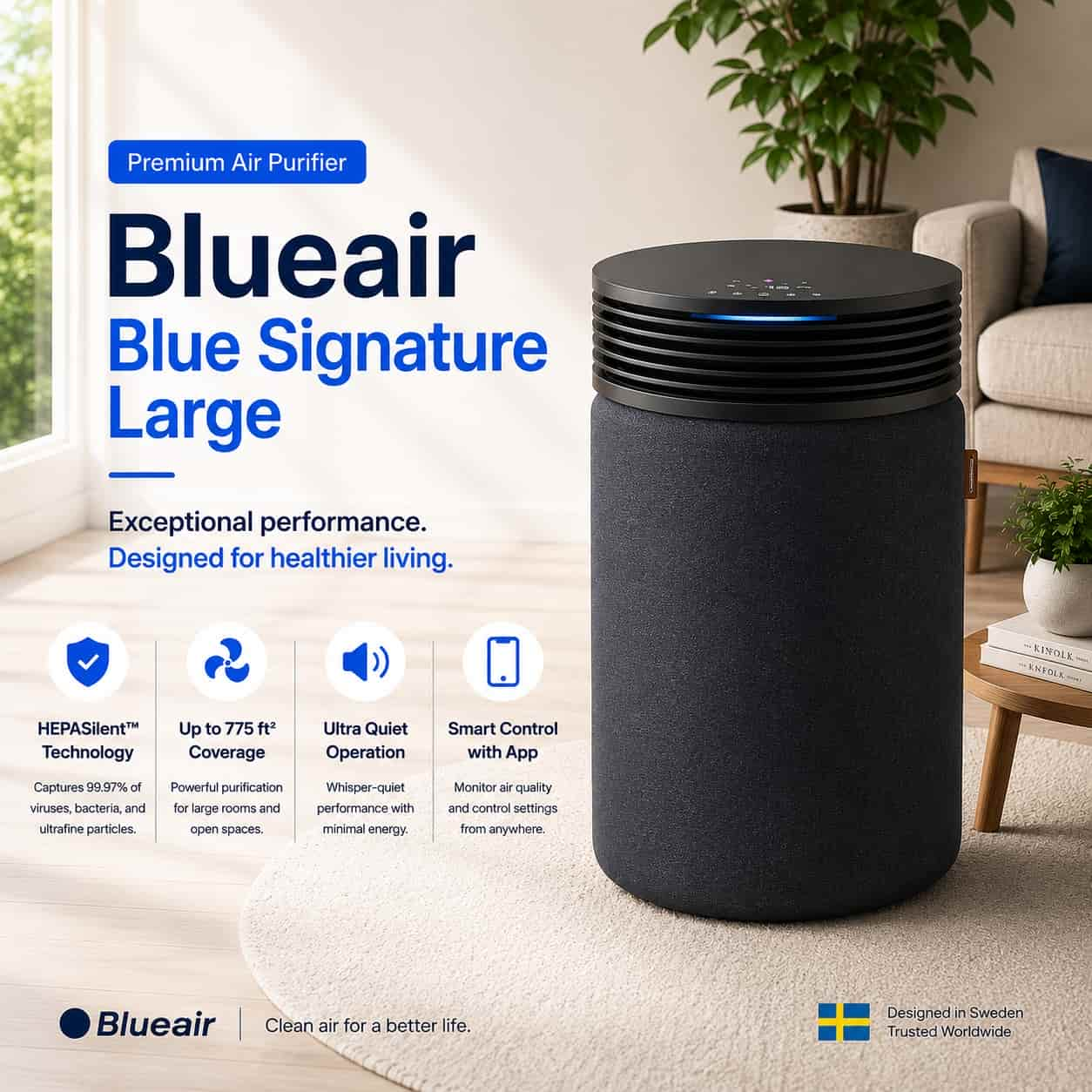
Blueair Blue Signature Large
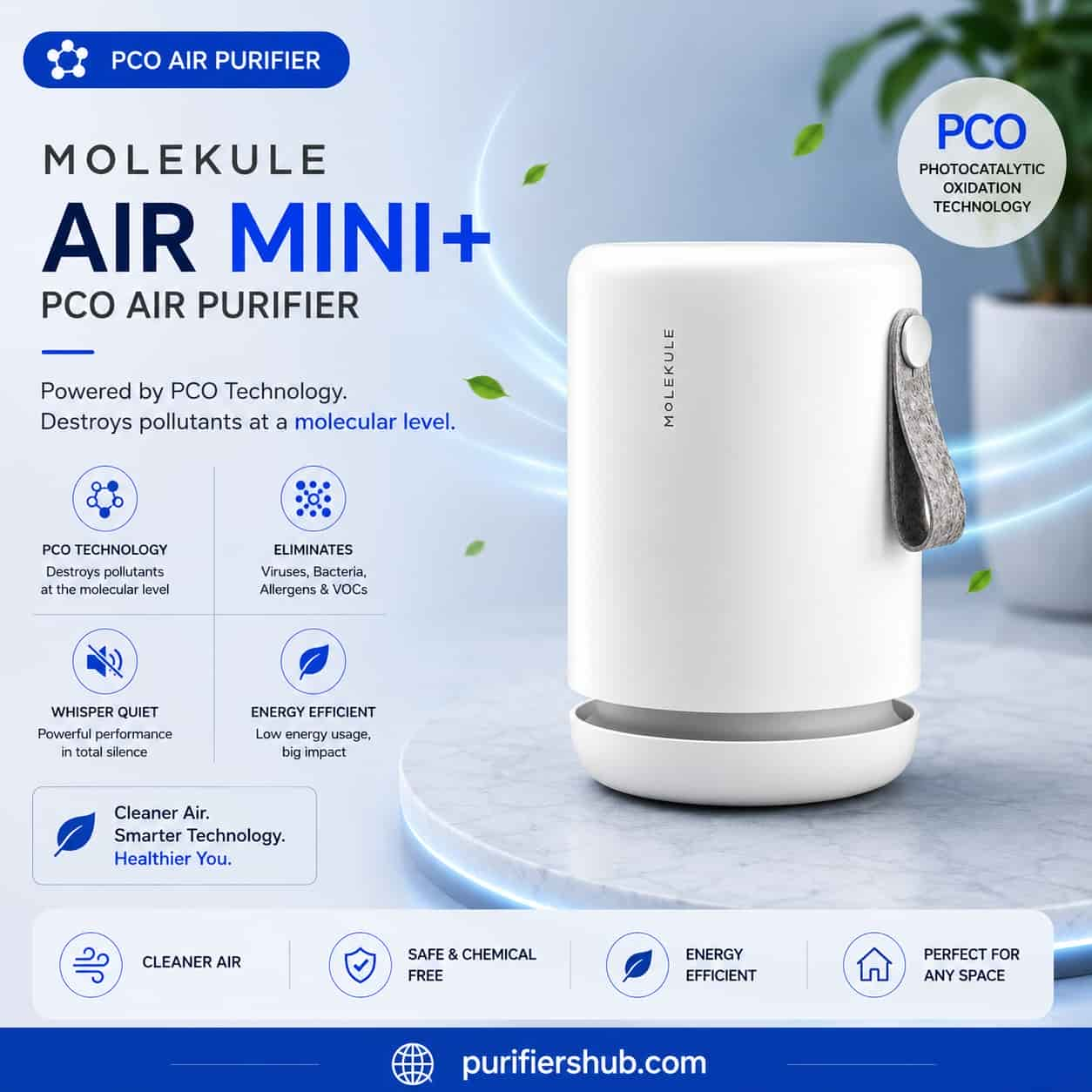
Molekule Air Mini+
About Smart Air Purifier: Find the Right One for Your Home in 2026
A smart air purifier combines air-cleaning technology with connected features such as Wi-Fi, app control, scheduling, and air-quality monitoring. These features can make it easier to manage settings, check air-quality information, and automate operation from a compatible device. However, smart functions do not determine filtration performance on their own; factors such as filter type, CADR, room coverage, and airflow remain important when comparing models. In this guide, we explore smart air cleaners, their connected features, and the key factors to consider when choosing a model for your home.
Frequently Asked Questions
What is a smart air purifier and how does it work?
A smart air purifier combines an air-cleaning system with connected features such as Wi-Fi, mobile-app controls, scheduling, alerts, or smart-home integration. The underlying cleaning performance still depends on the device's filtration technology, airflow, and other design factors. Connected functions mainly add ways to monitor or control operation. Depending on the model, sensors may also detect conditions such as particulate matter and use that information to adjust operation automatically.
What should you consider when choosing a smart air purifier?
Look beyond connectivity and compare the actual air-cleaning specifications. Important factors include filter type, CADR, recommended room size, airflow, replacement-filter availability, operating noise, energy use, and maintenance requirements. For connected features, check whether the model supports Wi-Fi, remote operation, scheduling, alerts, or smart-home platforms that match your needs. ENERGY STAR's room-air-cleaner criteria recognize several of these connected functions separately from the product's filtration and performance characteristics.
What can an air purifier app control or monitor?
App capabilities vary by model and manufacturer. Depending on the device, an app may provide remote control, operating-status information, scheduling, alerts, filter-maintenance reminders, or access to air-quality readings. Some systems can also connect with smart-home ecosystems. When comparing apps, check which functions are actually supported by the specific model rather than assuming every connected device offers the same features.
How do air-quality sensors work in connected air cleaners?
Air-quality sensors use one or more sensing components to detect specific pollutants or environmental conditions. Consumer devices may monitor particulate matter or other factors such as temperature and humidity, depending on their sensor design. Some systems use sensor readings to trigger an operating response, such as changing the air-cleaning mode. Sensor readings should be interpreted according to what the device is designed to measure, because a consumer sensor does not necessarily represent every aspect of indoor air quality.
Are smart features more important than filtration and room coverage?
For choosing an air cleaner, connected features are best considered alongside the core cleaning specifications rather than as a replacement for them. Filter technology, CADR, room size, airflow, maintenance, and energy use directly affect how the device is designed to clean air. Features such as Wi-Fi control, scheduling, and monitoring can add convenience, but their value depends on how useful those functions are for your routine. EPA guidance also emphasizes selecting air-cleaning equipment according to the pollutants and conditions that matter in the indoor environment.