Quiet Air Purifier for Bedroom: Low-Noise Options Compared
Quiet bedroom air purifiers operate at low noise levels with sleep-friendly modes for uninterrupted rest. Compare models by dB rating, sleep mode features, and filtration effectiveness.
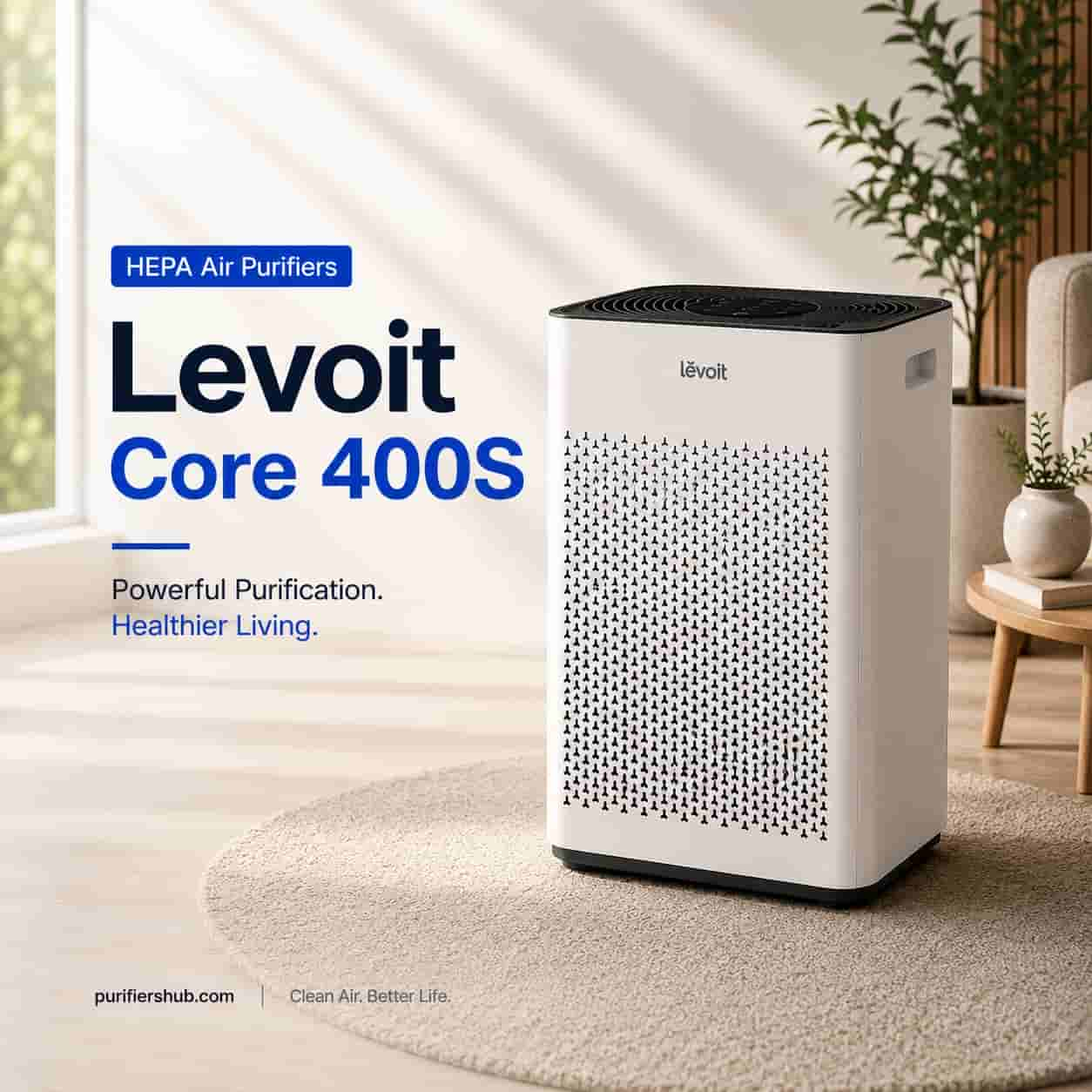
Levoit Core 400S
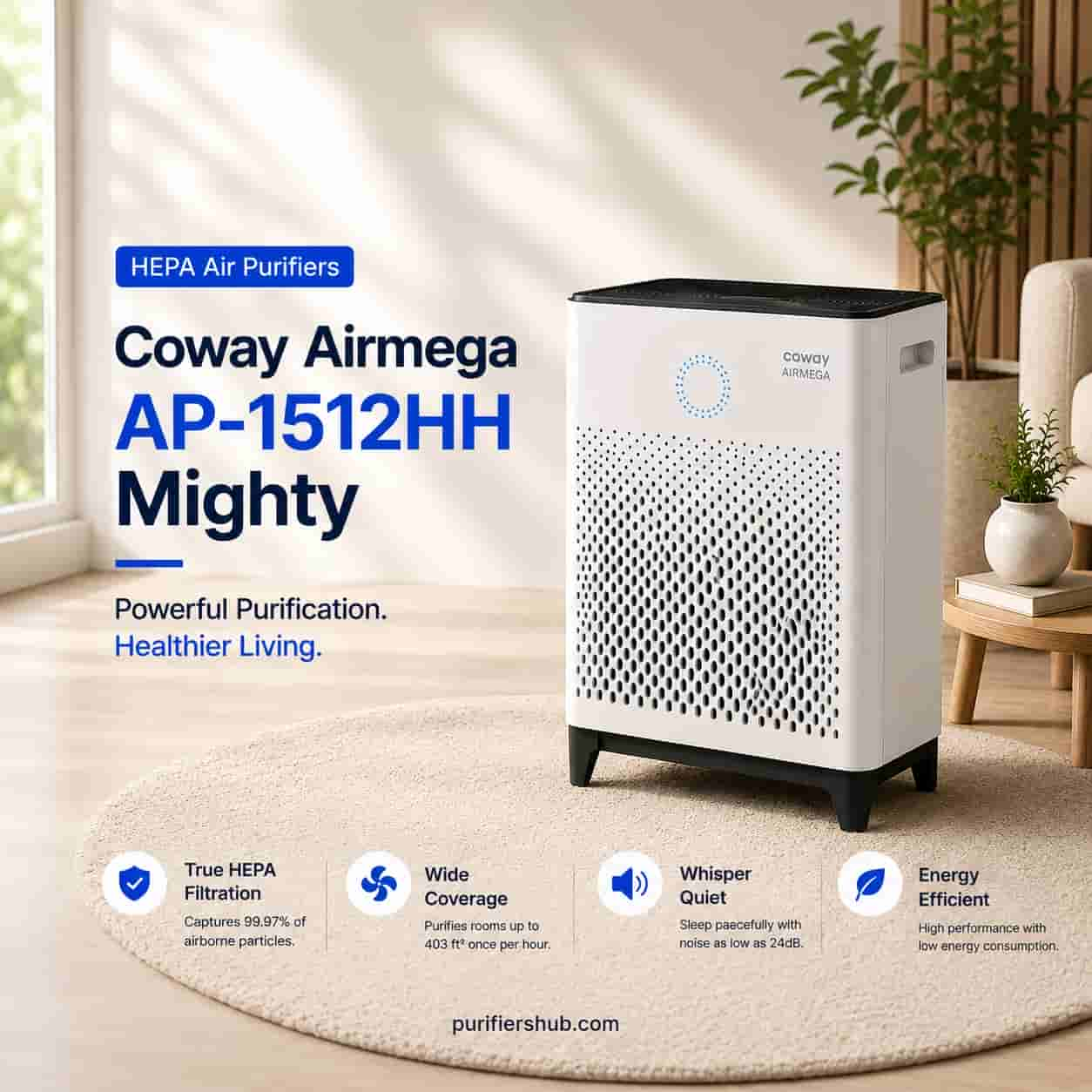
Coway Airmega AP-1512HH Mighty
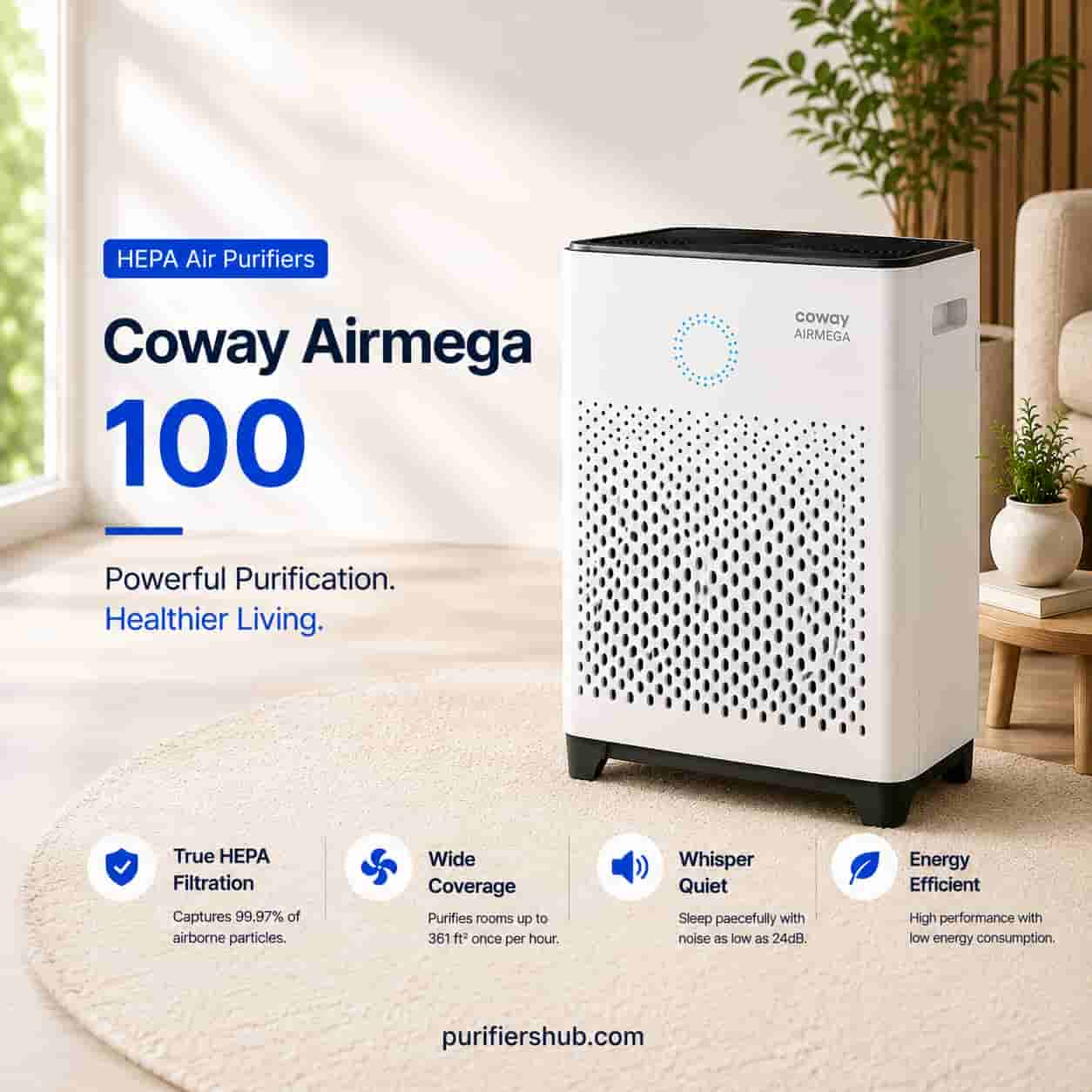
Coway Airmega 100
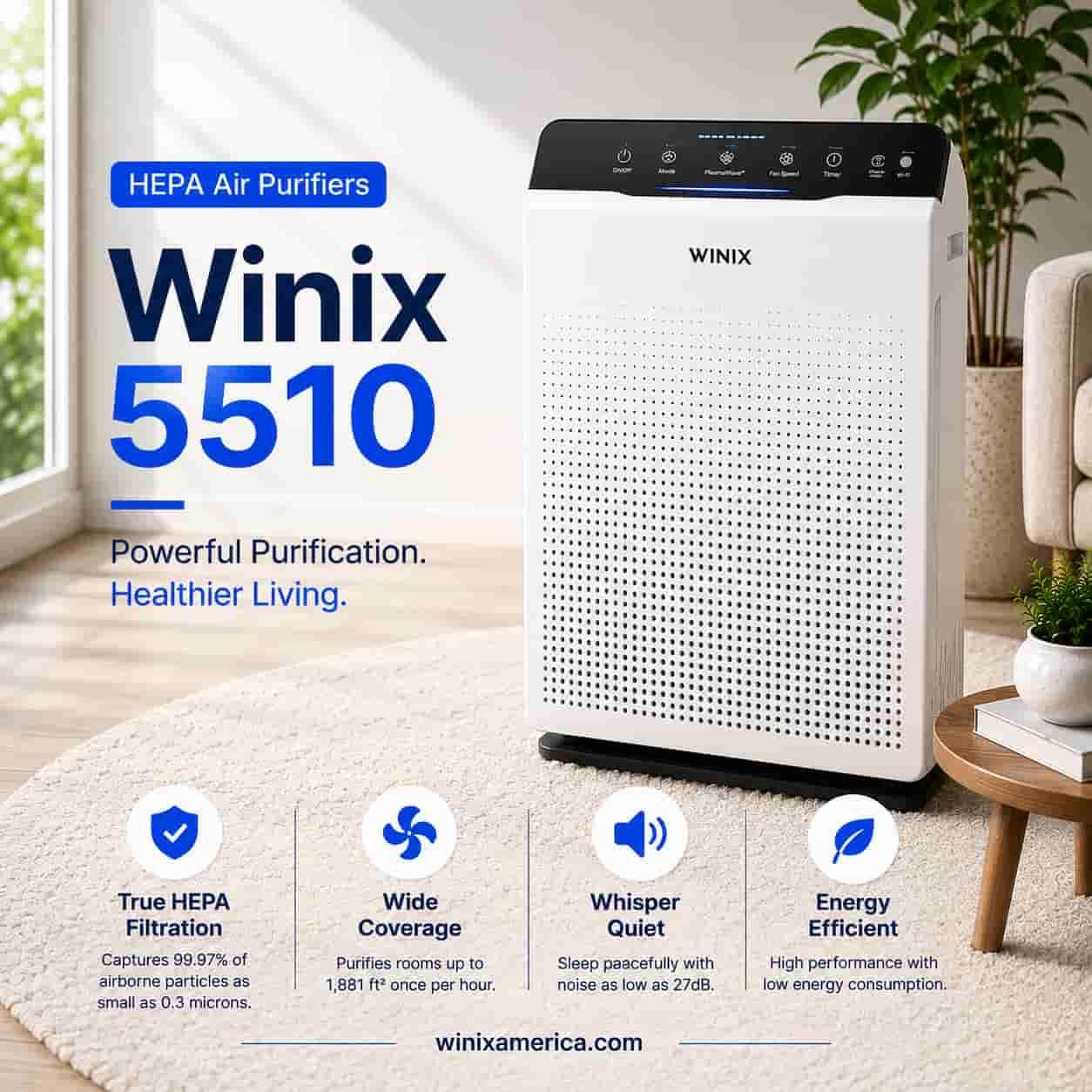
Winix 5510
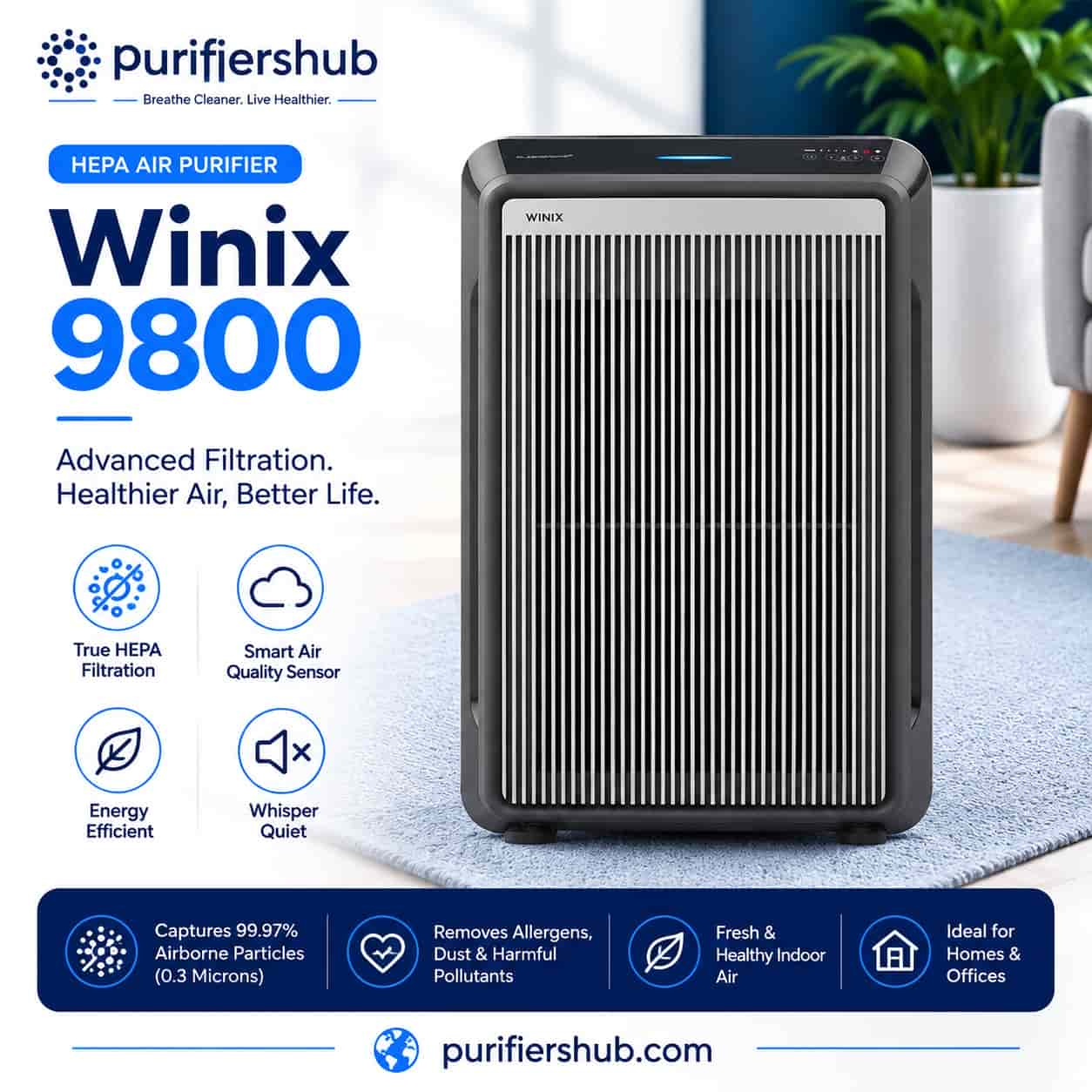
Winix 9800
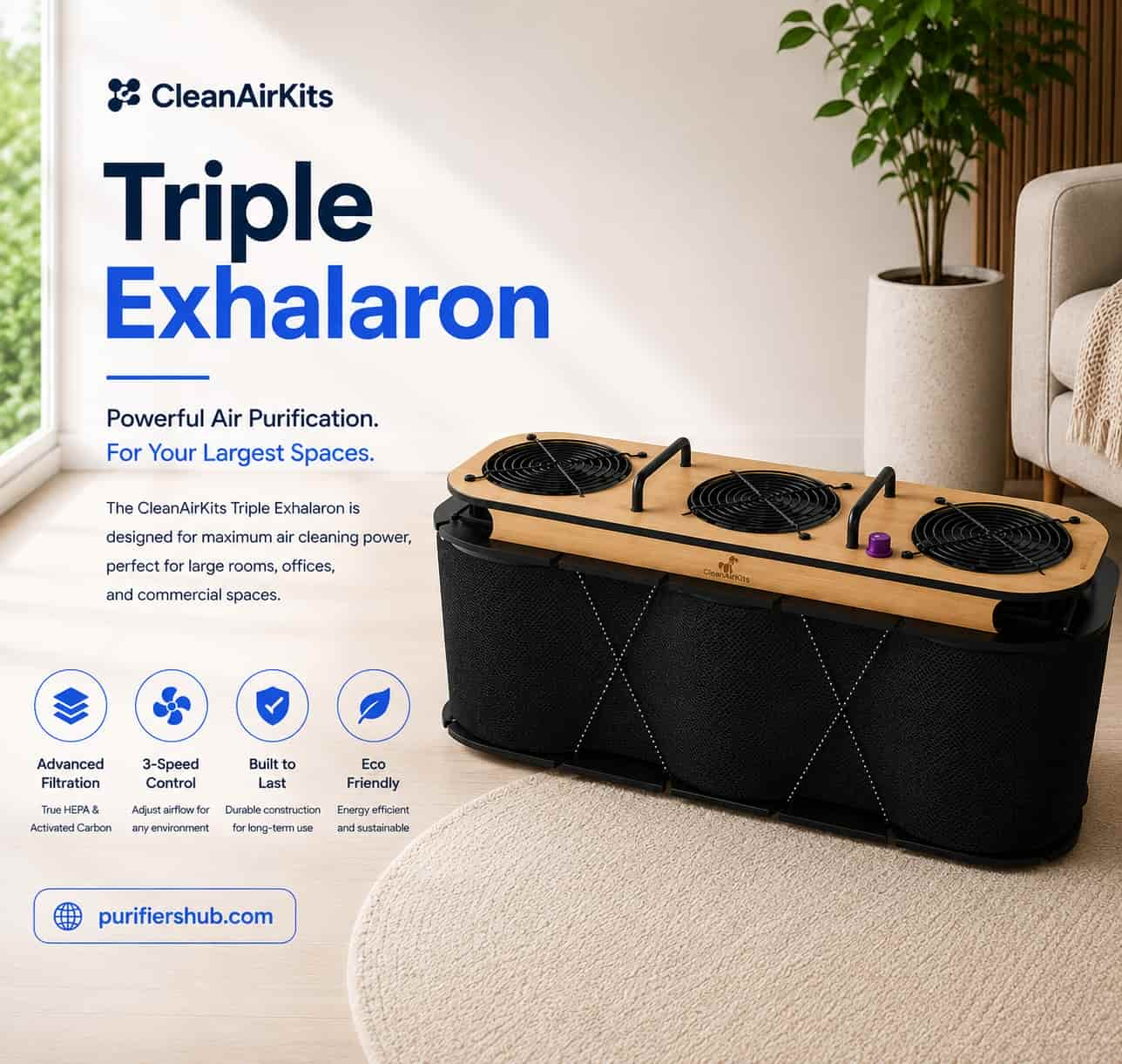
CleanAirKits Triple Exhalaron
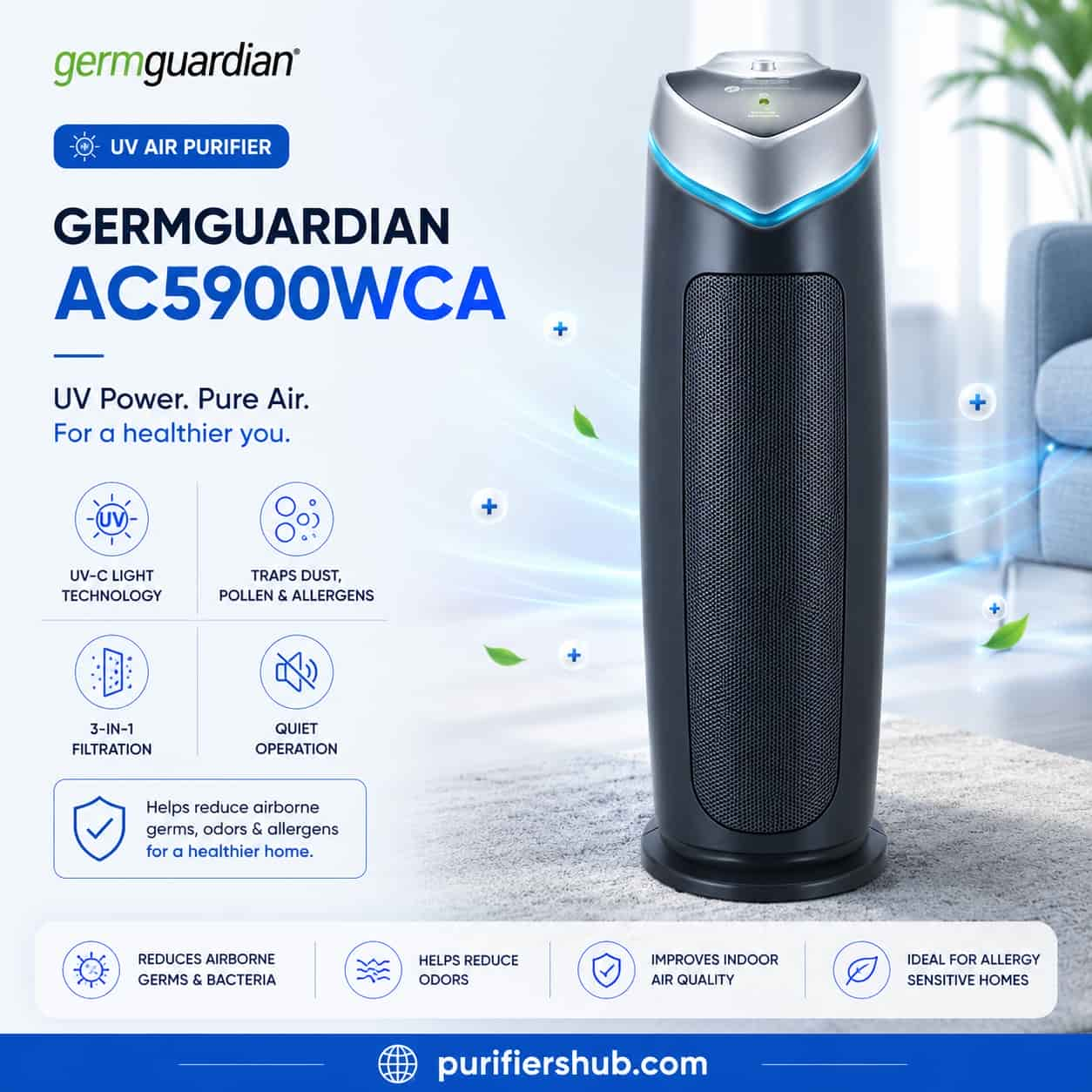
GermGuardian AC5900WCA
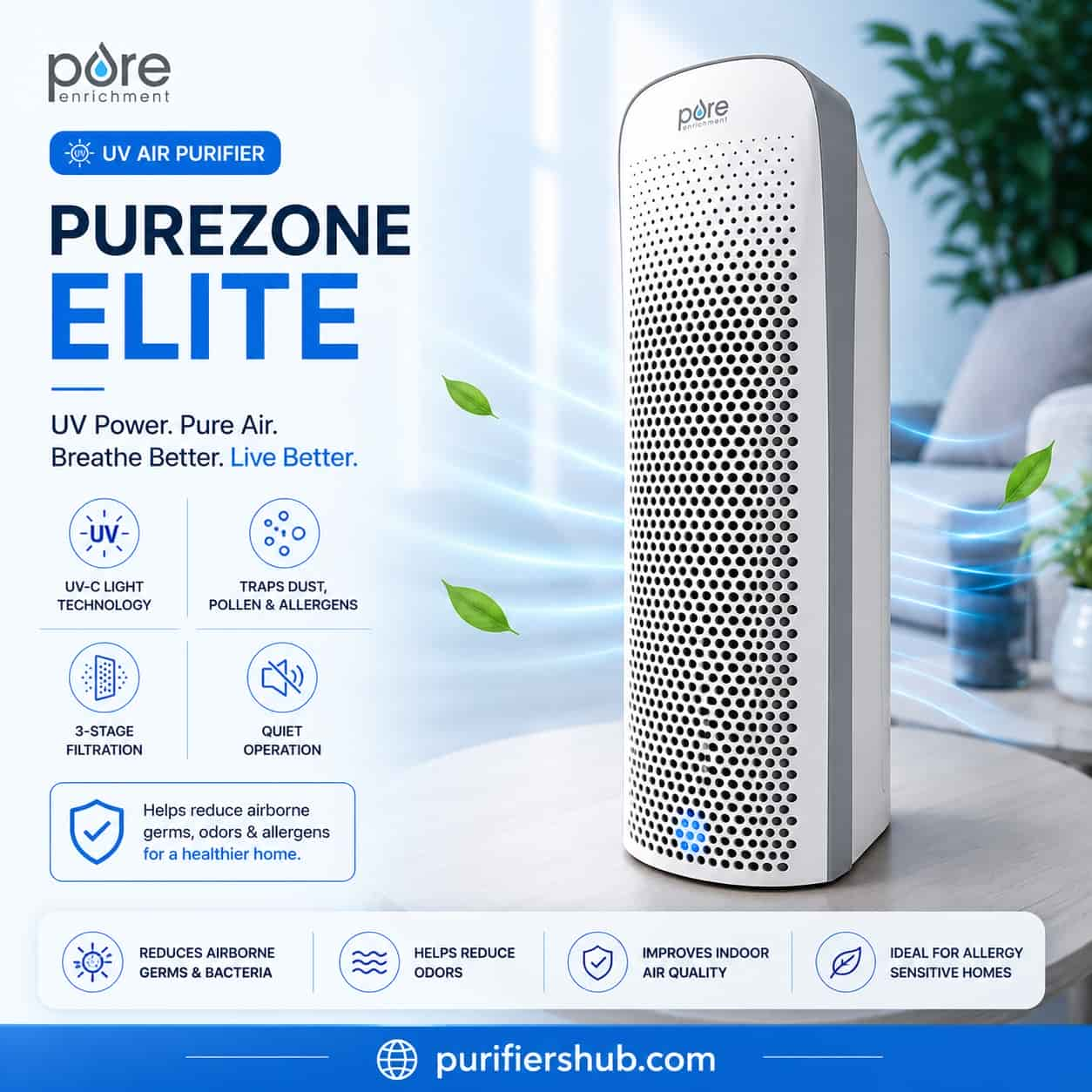
Pure Enrichment PureZone Elite
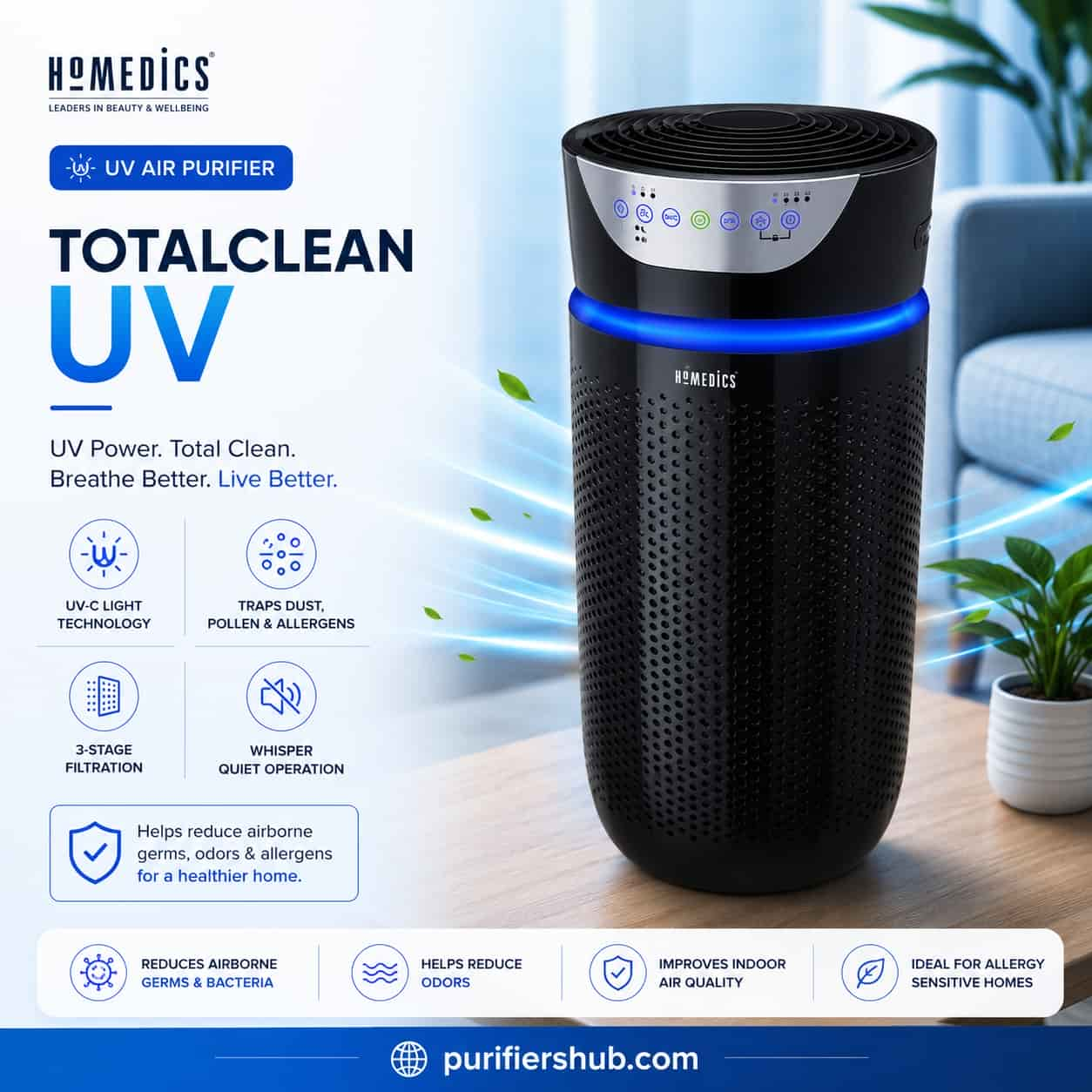
HoMedics TotalClean UV
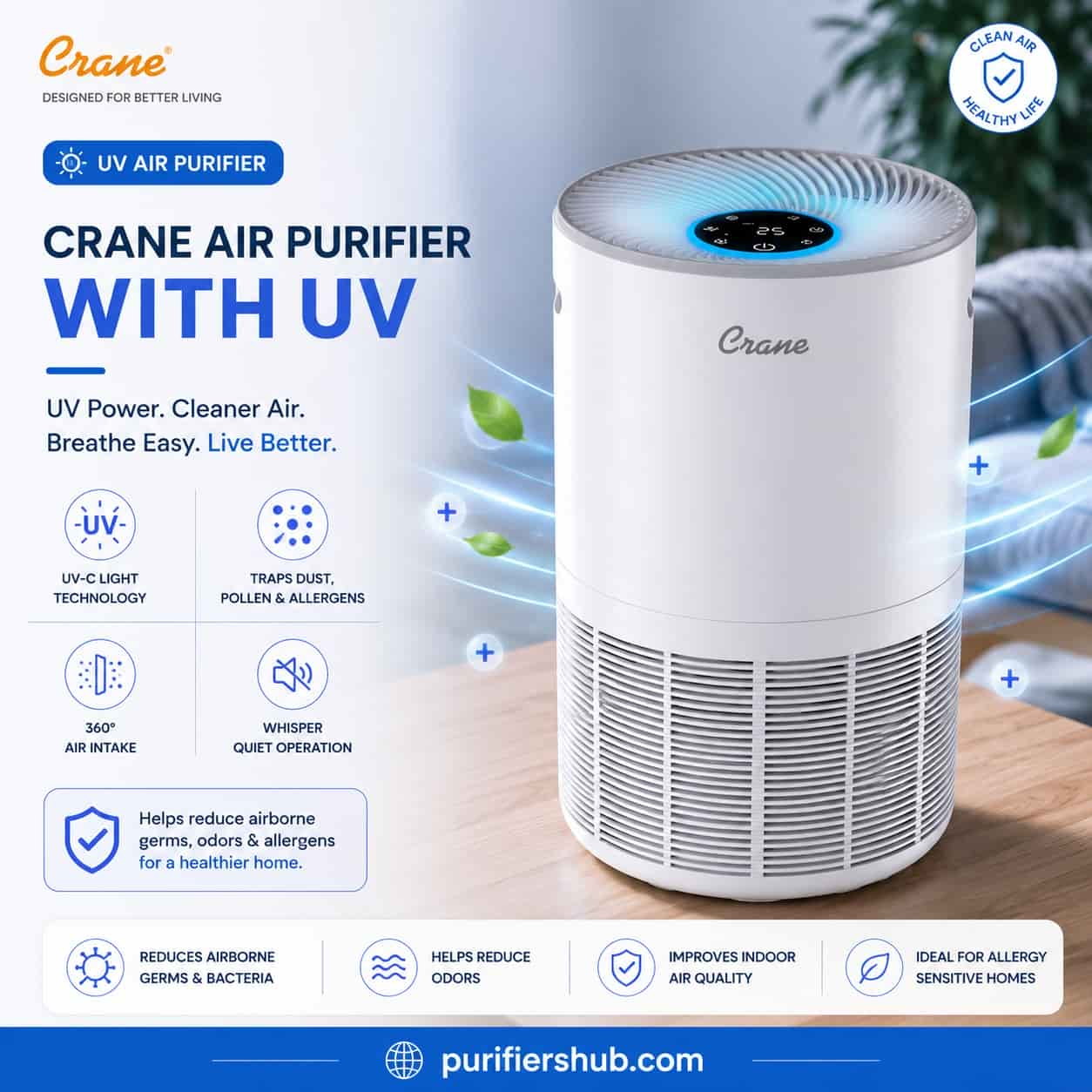
Crane Air Purifier with UV
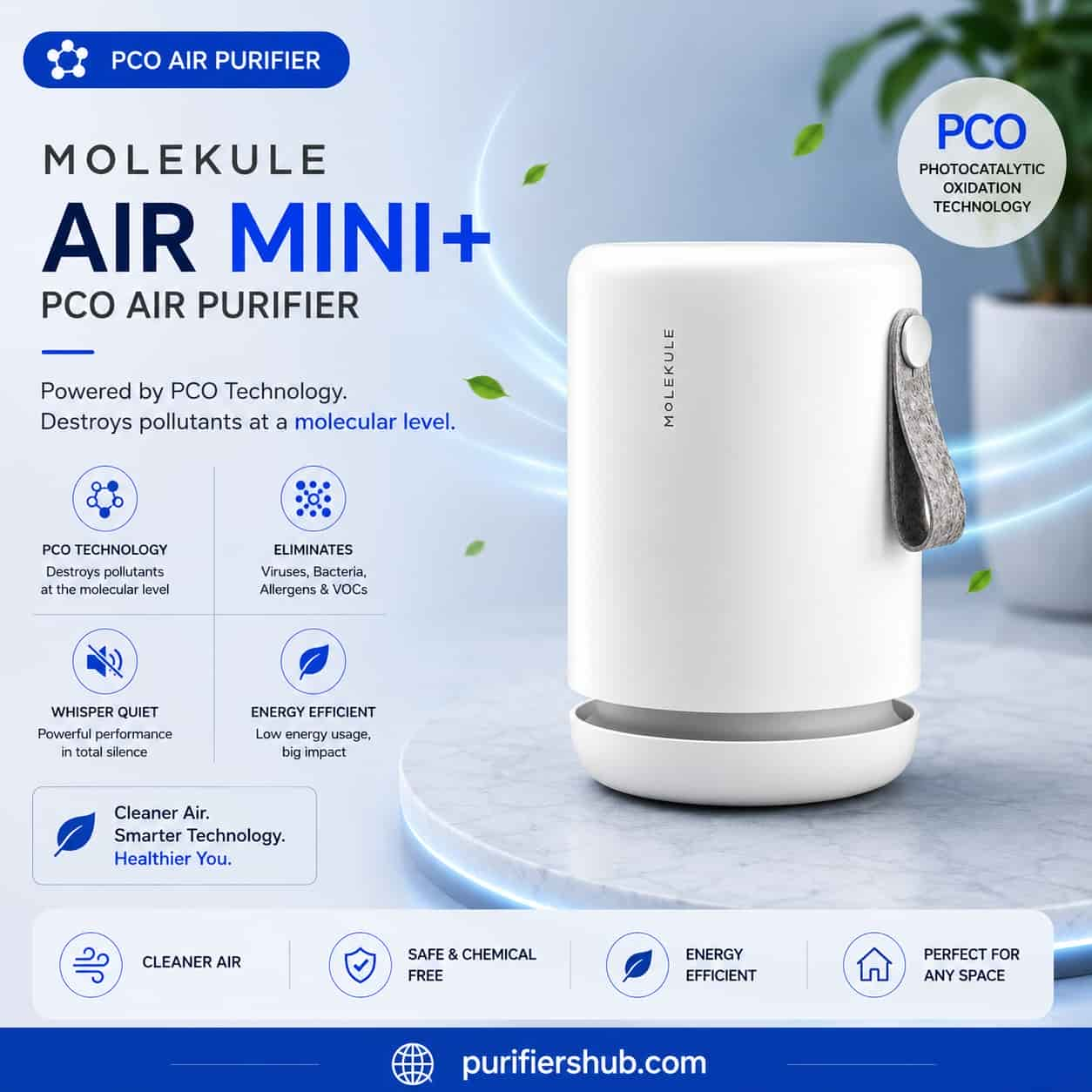
Molekule Air Mini+
About Quiet Air Purifier for Bedroom: Low-Noise Options Compared
A quiet air purifier for the bedroom prioritizes low-noise operation — typically below 30 dB on the lowest setting — alongside effective particle filtration for a comfortable sleep environment. Key features to evaluate include a dedicated sleep or night mode, dimmed or auto-off display lighting, timer function, and HEPA filtration sized appropriately for the room. A model that is correctly sized for the space can clean the air effectively at a low fan speed, balancing quiet operation with consistent performance. This guide compares low-noise air purifiers to help you find the right fit for your bedroom.
Frequently Asked Questions
What noise level is considered quiet for a bedroom air purifier?
Noise levels below 30 decibels (dB) are generally considered very quiet for bedroom use — similar to a quiet whisper or rustling leaves. Many bedroom-focused air purifiers operate between 20–35 dB on their lowest settings. For context, a normal conversation is around 60 dB, and a library is approximately 40 dB. When evaluating models, look for independently measured dB ratings on the lowest fan setting, as some manufacturers measure at higher speeds or under less rigorous conditions.
Do quiet air purifiers still clean effectively?
Filtration effectiveness on low settings varies by model. A lower fan speed reduces airflow, which means fewer air changes per hour and potentially slower particle removal. For bedroom use, an appropriately sized model can still clean the room effectively on a low setting if its CADR is matched to the room size. Running the purifier at a higher setting before sleep and switching to a low setting during the night is one approach to balancing noise with air quality.
What features should a bedroom air purifier have?
Key features to consider include a dedicated sleep or night mode that reduces fan speed and dims indicator lights, a timer to automate operation, and a filter-replacement indicator. Low-noise operation at 30 dB or below on the sleep setting is important. Some models also include an auto mode that adjusts speed based on air quality. Compact size and a dark or non-illuminated display can also improve usability in a sleep environment.
Where should a bedroom air purifier be placed for best results?
Placement close to the sleeping area can help the unit deliver filtered air more directly to the breathing zone. Avoid positioning the unit directly against walls or furniture, as this can restrict airflow to the intake or output. Central placement in the room allows air to circulate more freely. Many bedroom models are compact enough to sit on a nightstand or dresser, though floor placement can also be effective if the unit's design allows adequate clearance.
Can a bedroom air purifier help with sleep?
Improved air quality can contribute to better sleep conditions for some people, particularly those sensitive to allergens, dust, pollen, or other airborne particles. Reducing these irritants may support more comfortable breathing during sleep. However, an air purifier does not address all sleep-related factors. The sound of a quiet fan can also act as white noise for some people, while others may prefer complete silence. Individual response varies, and an air purifier should be considered one part of a broader approach to a comfortable sleep environment.