Best Air Purifier for Allergies & Pets: Find the Best Fit
The best air purifiers for allergies and pets use HEPA filtration to capture pollen, dust, and pet dander. Compare models by filtration type, room coverage, and features for allergy-sensitive homes.
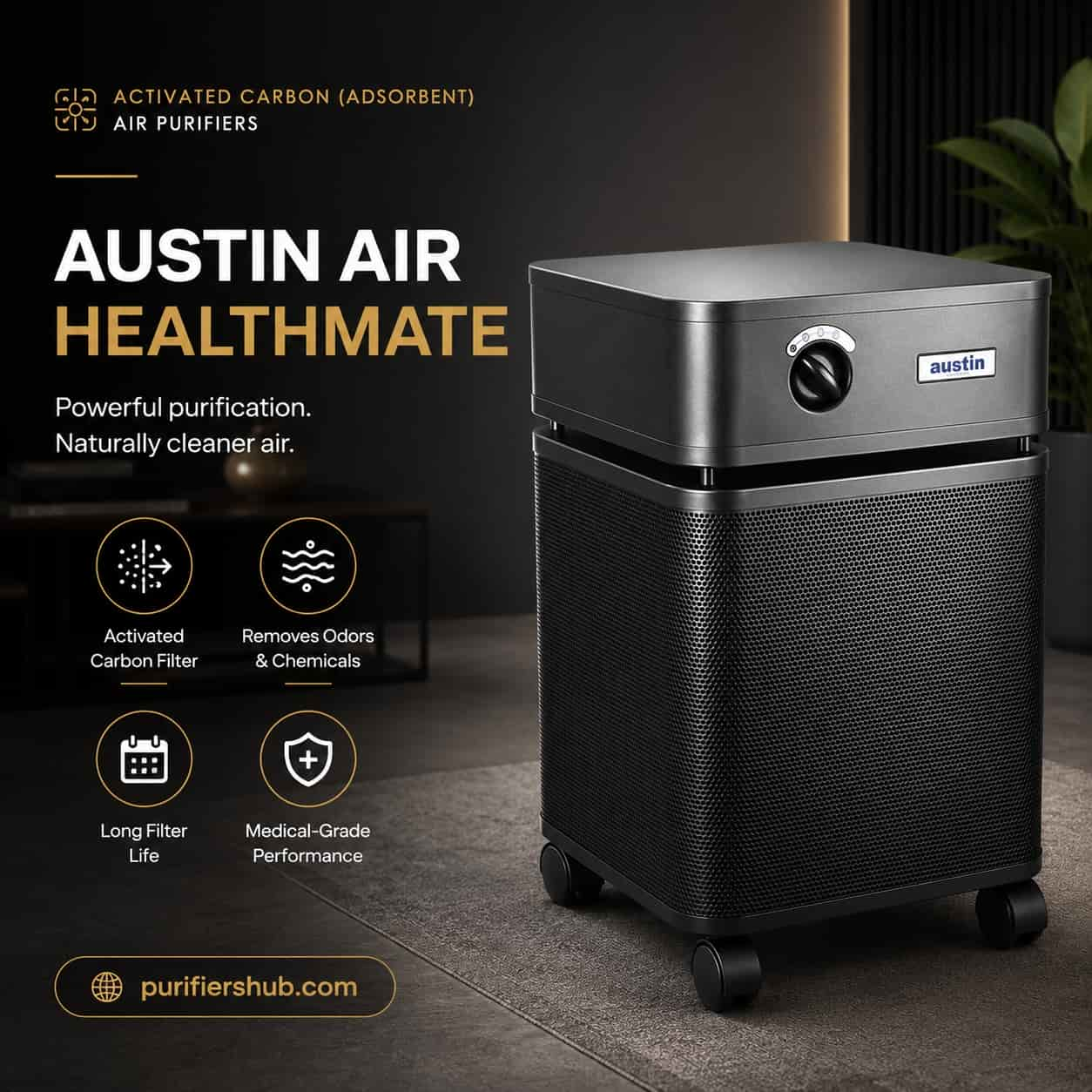
Austin Air HealthMate
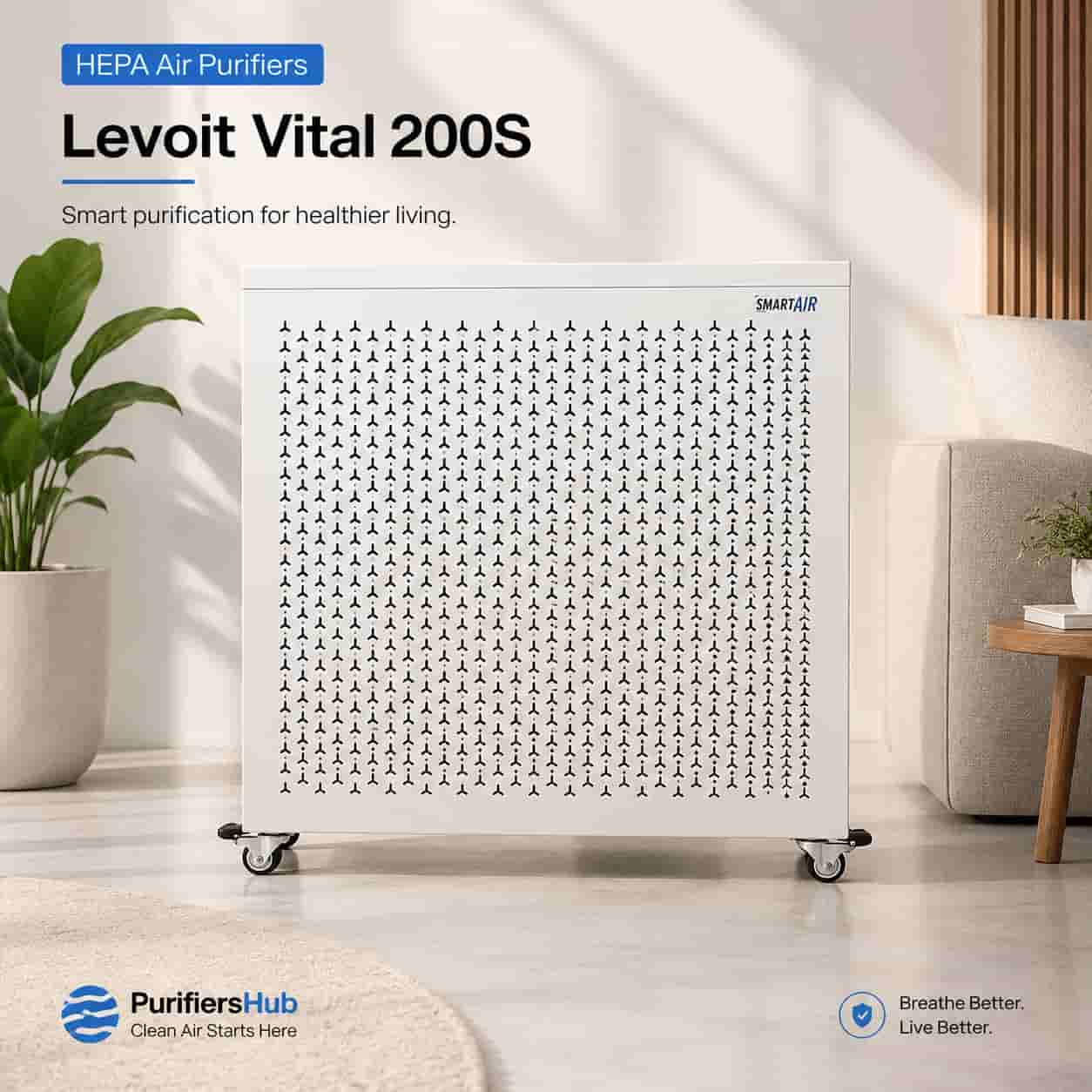
Levoit Vital 200S
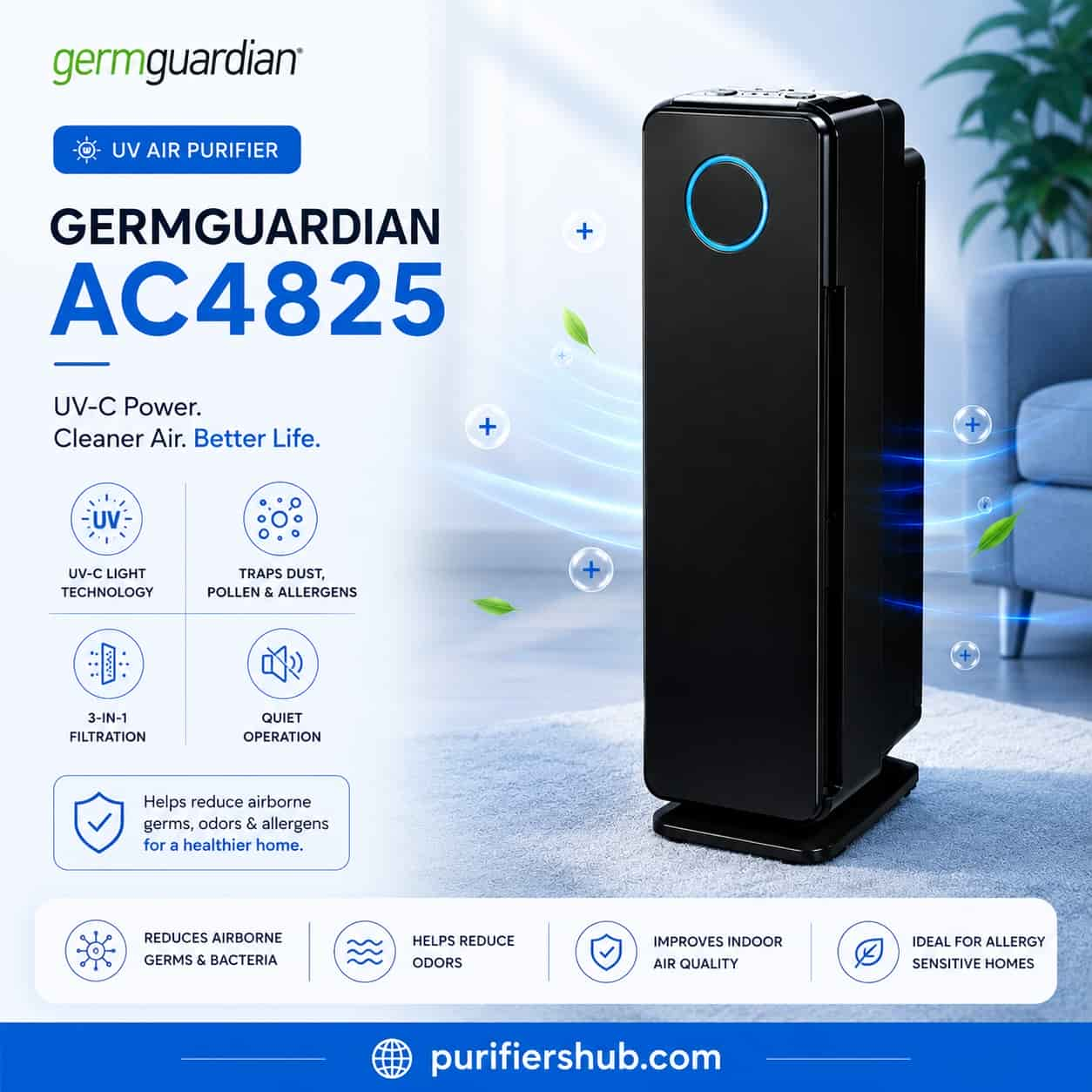
GermGuardian AC4825
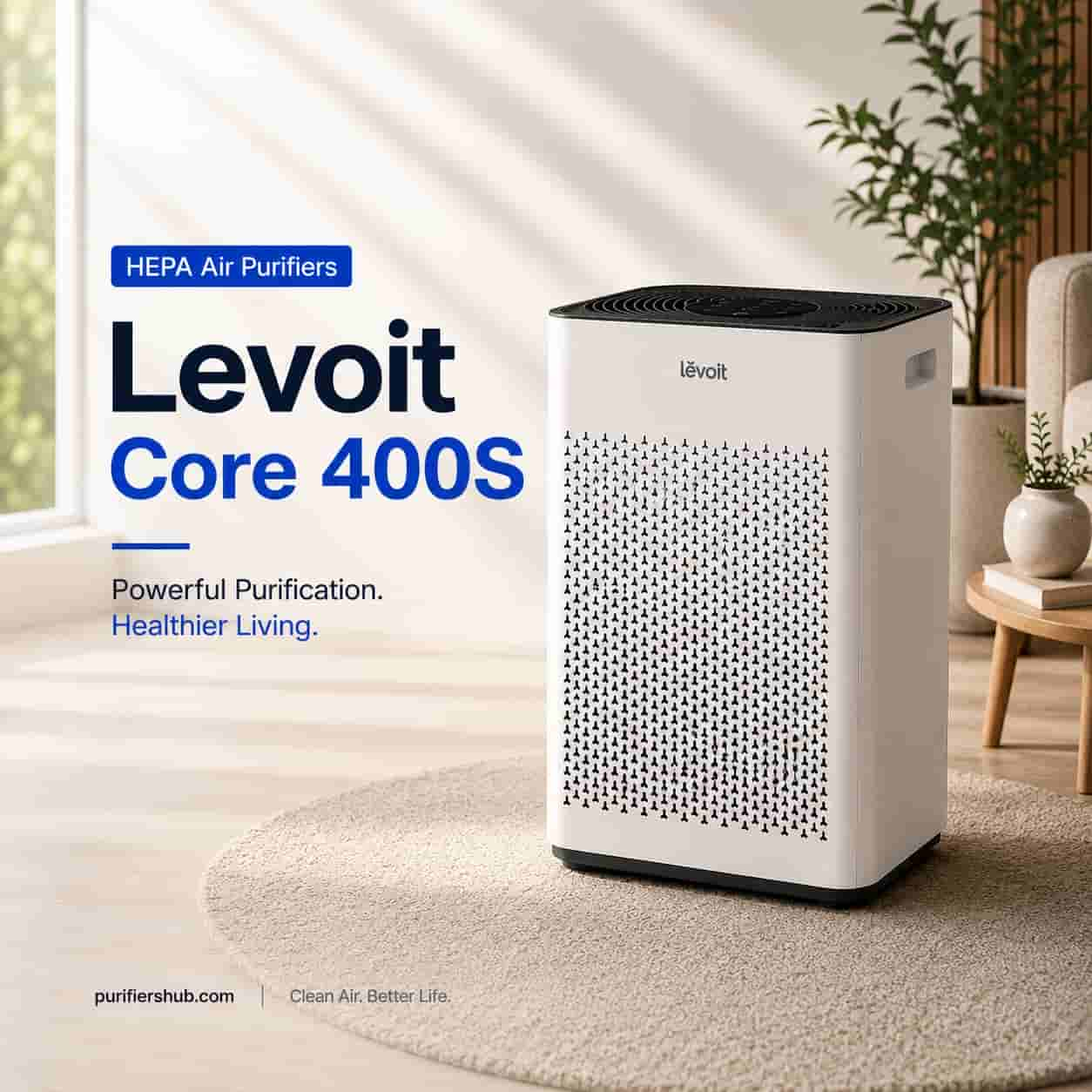
Levoit Core 400S
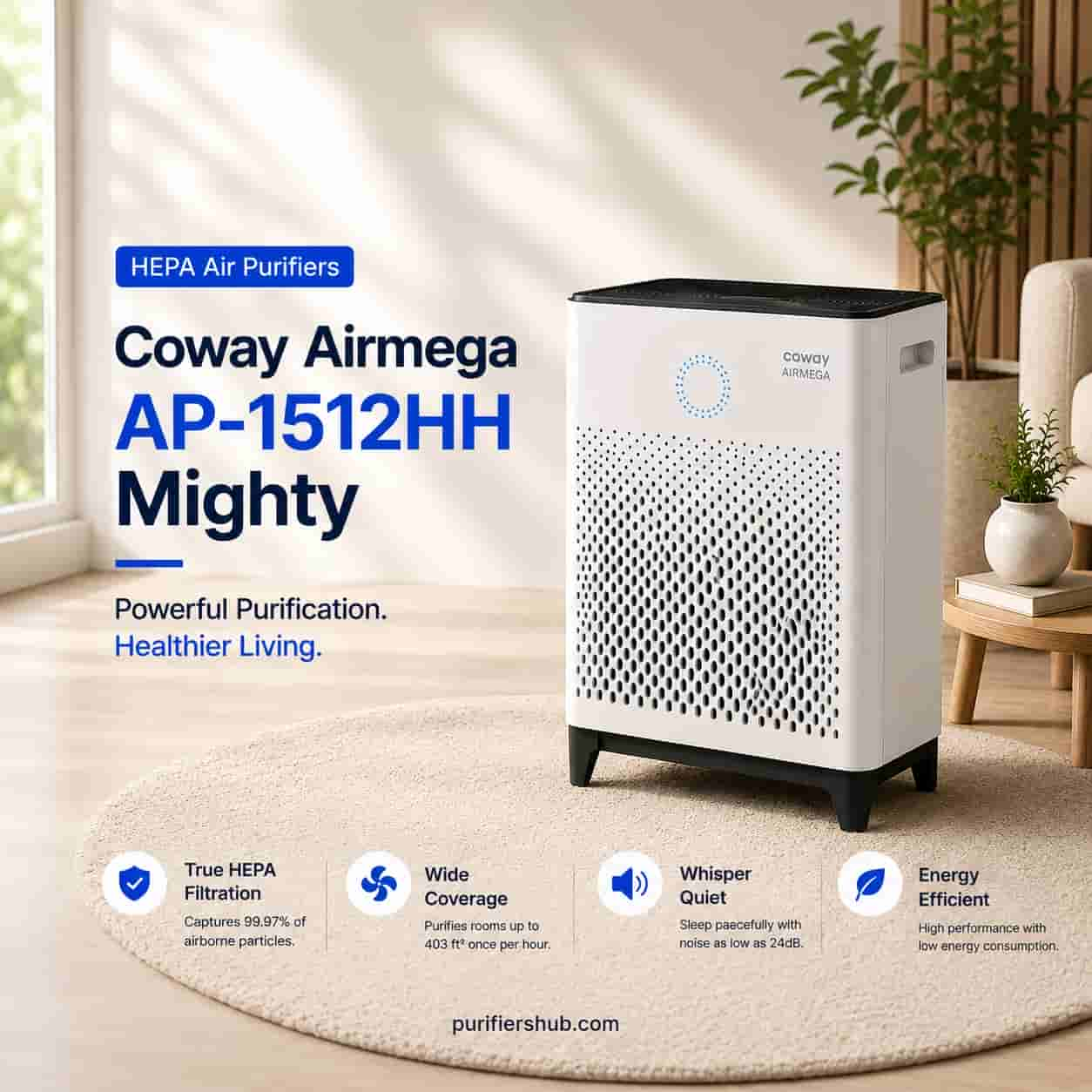
Coway Airmega AP-1512HH Mighty
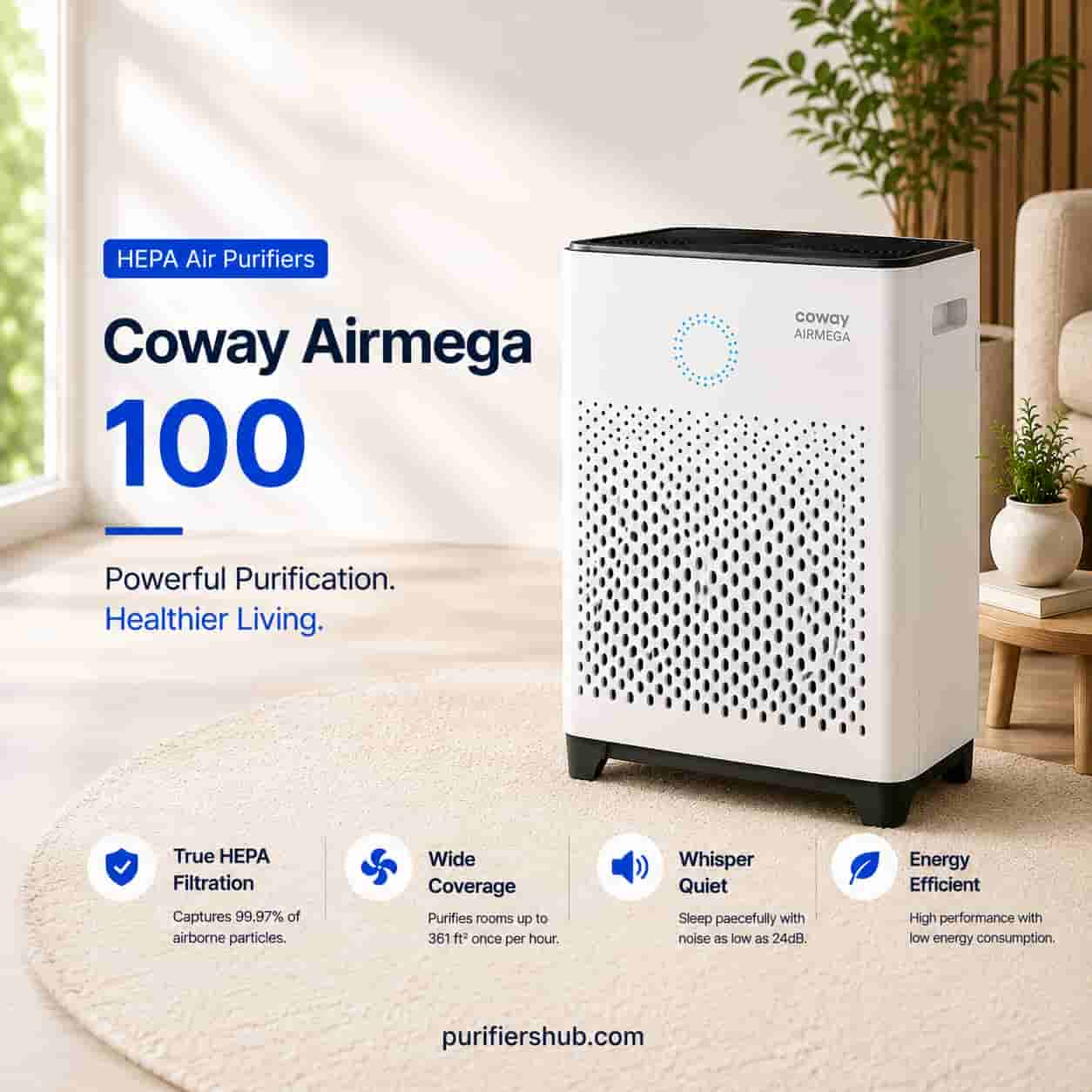
Coway Airmega 100
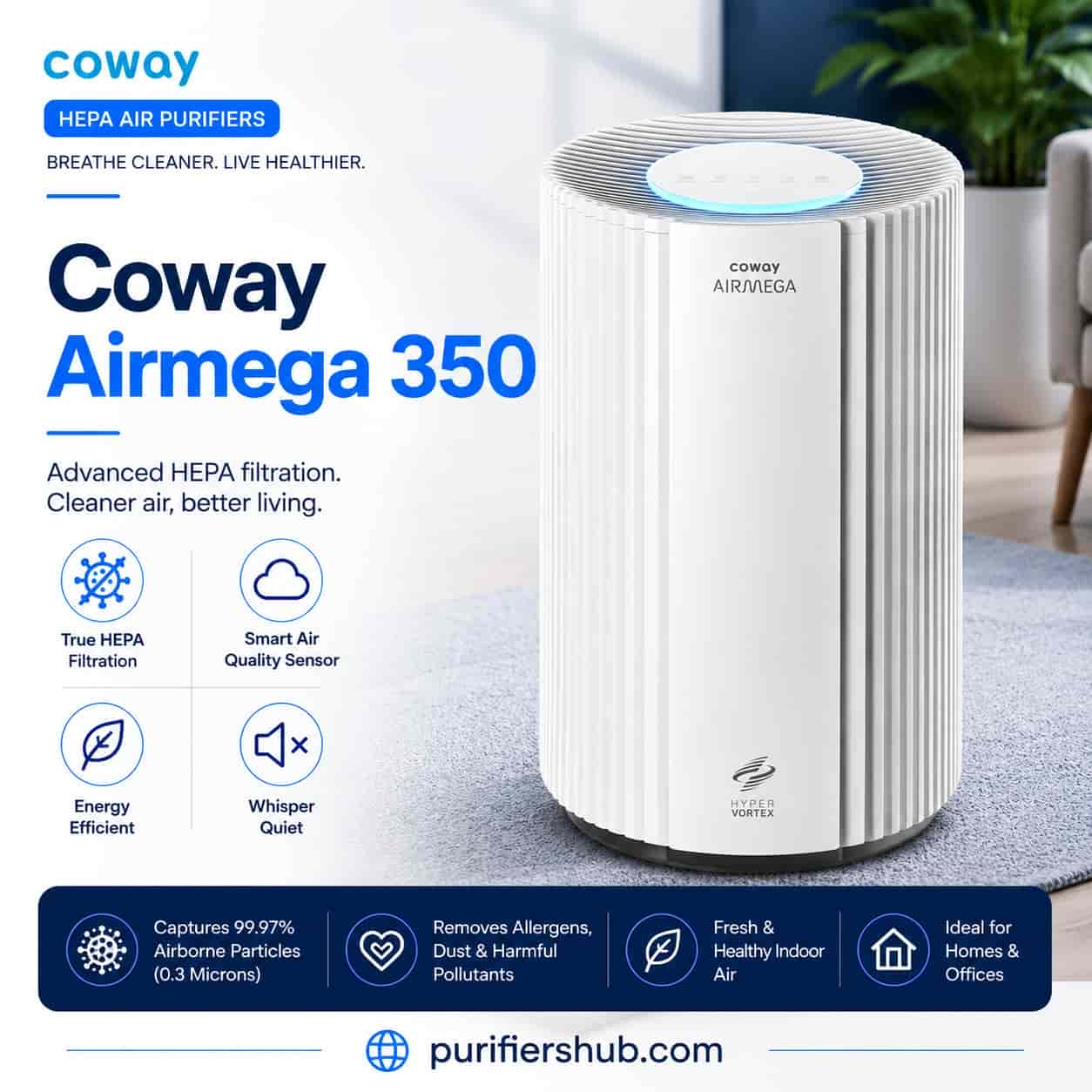
Coway Airmega 350
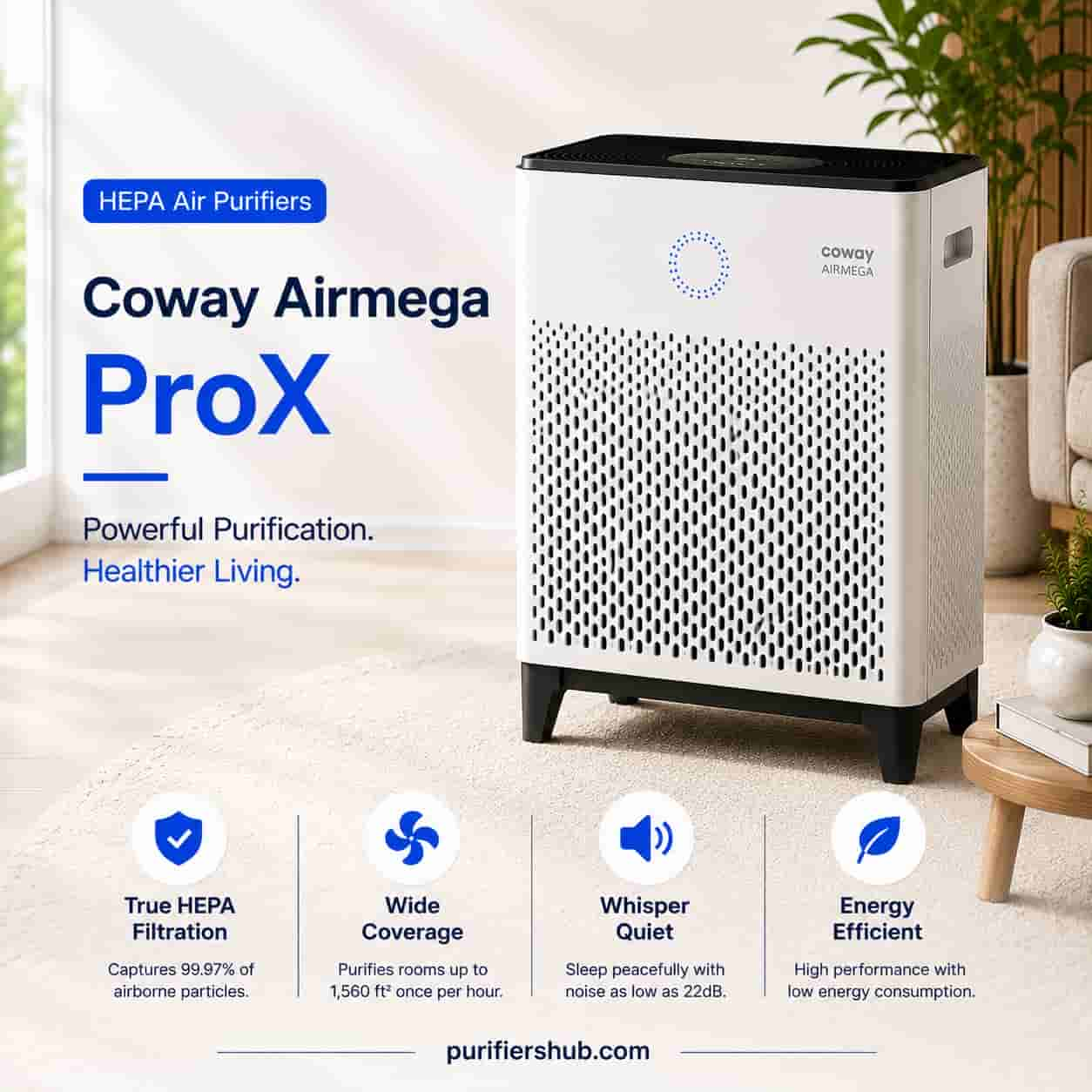
Coway Airmega ProX
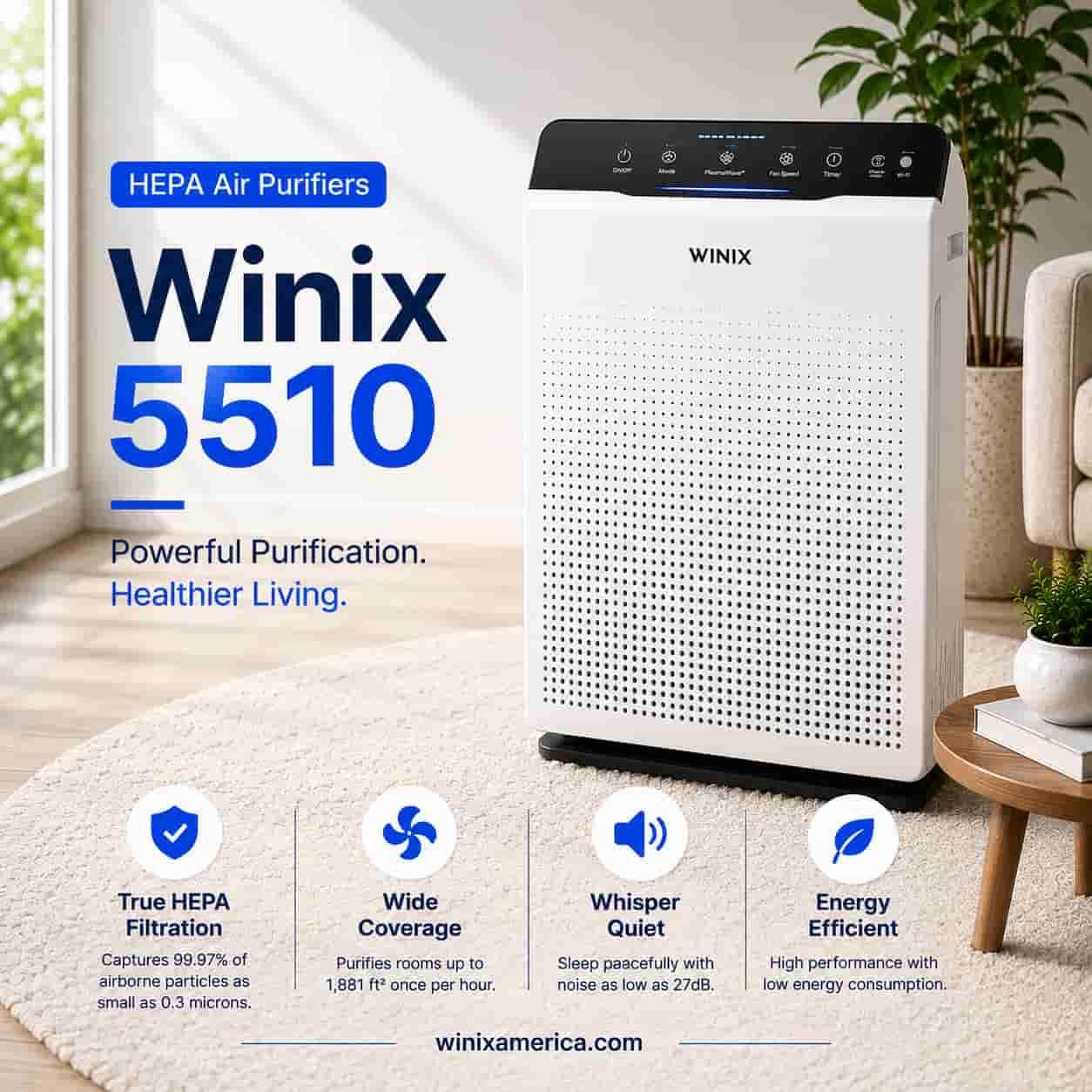
Winix 5510
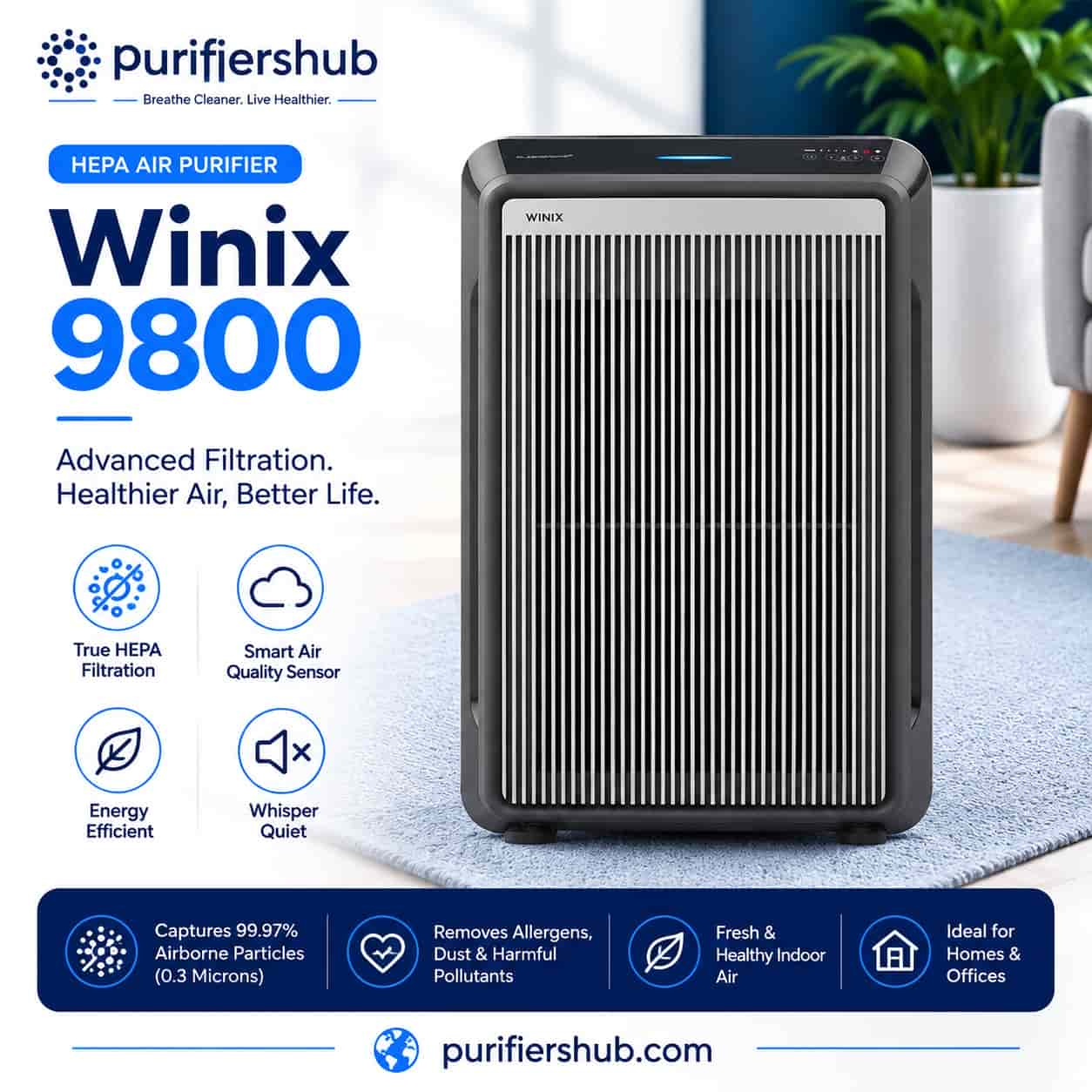
Winix 9800
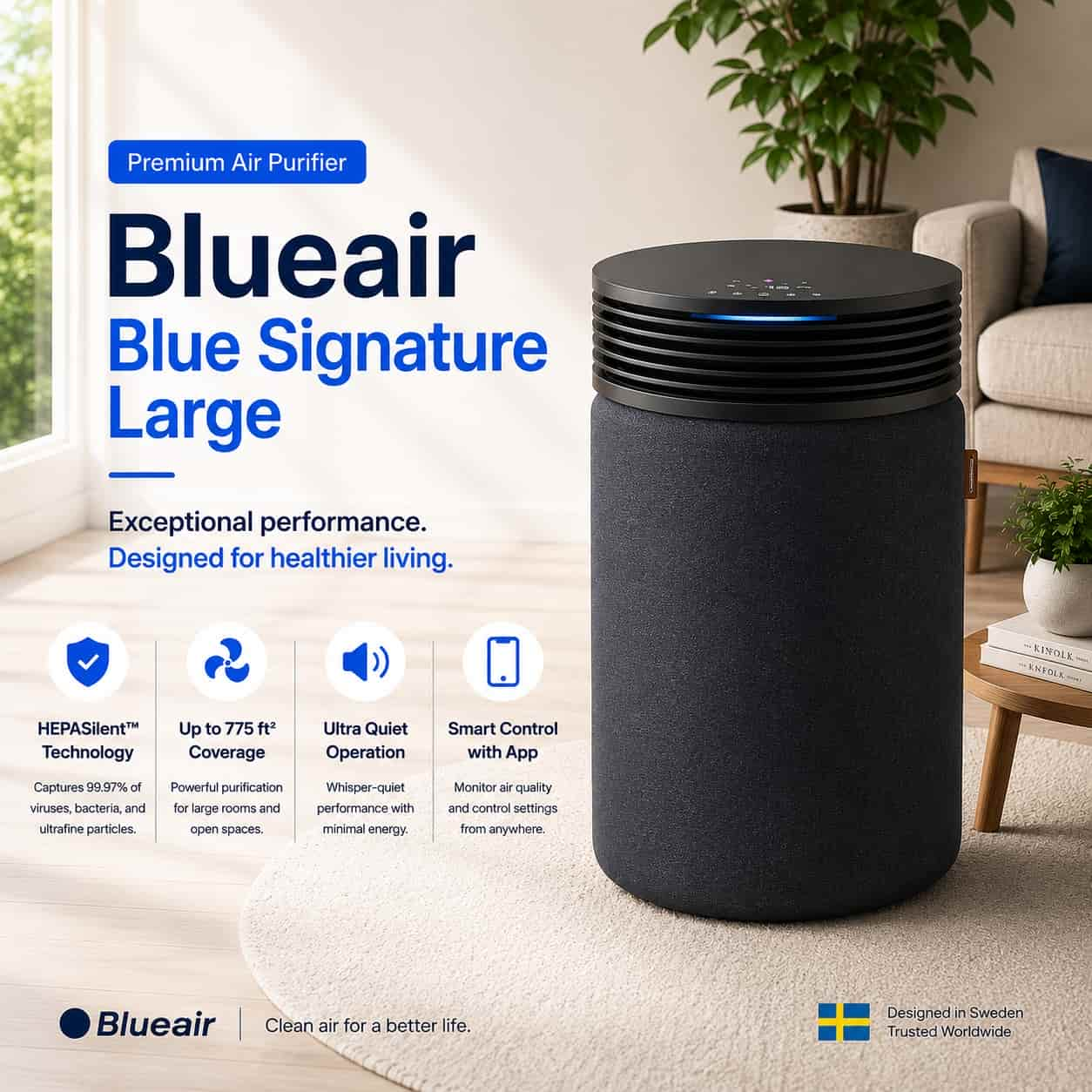
Blueair Blue Signature Large
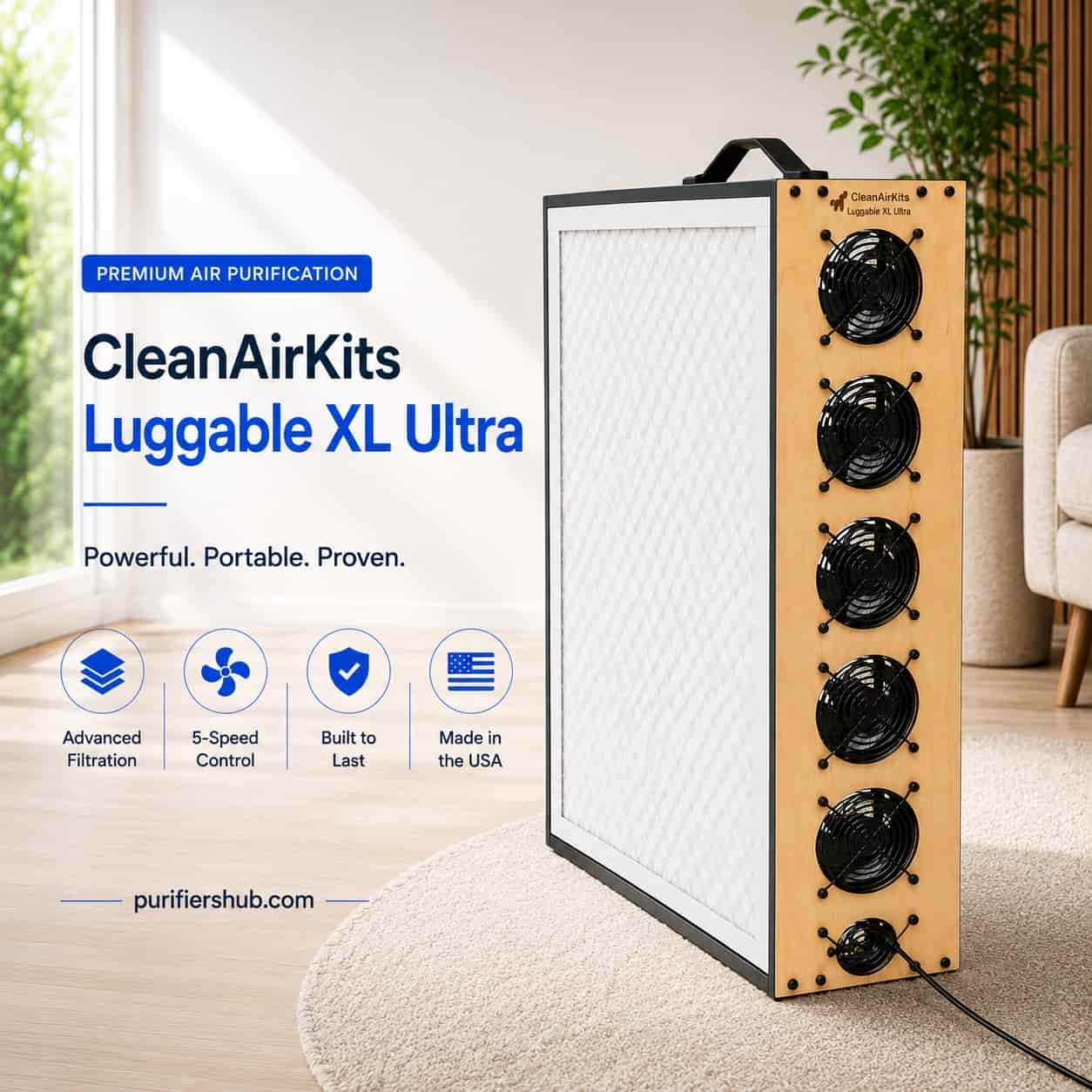
CleanAirKits Luggable XL Ultra
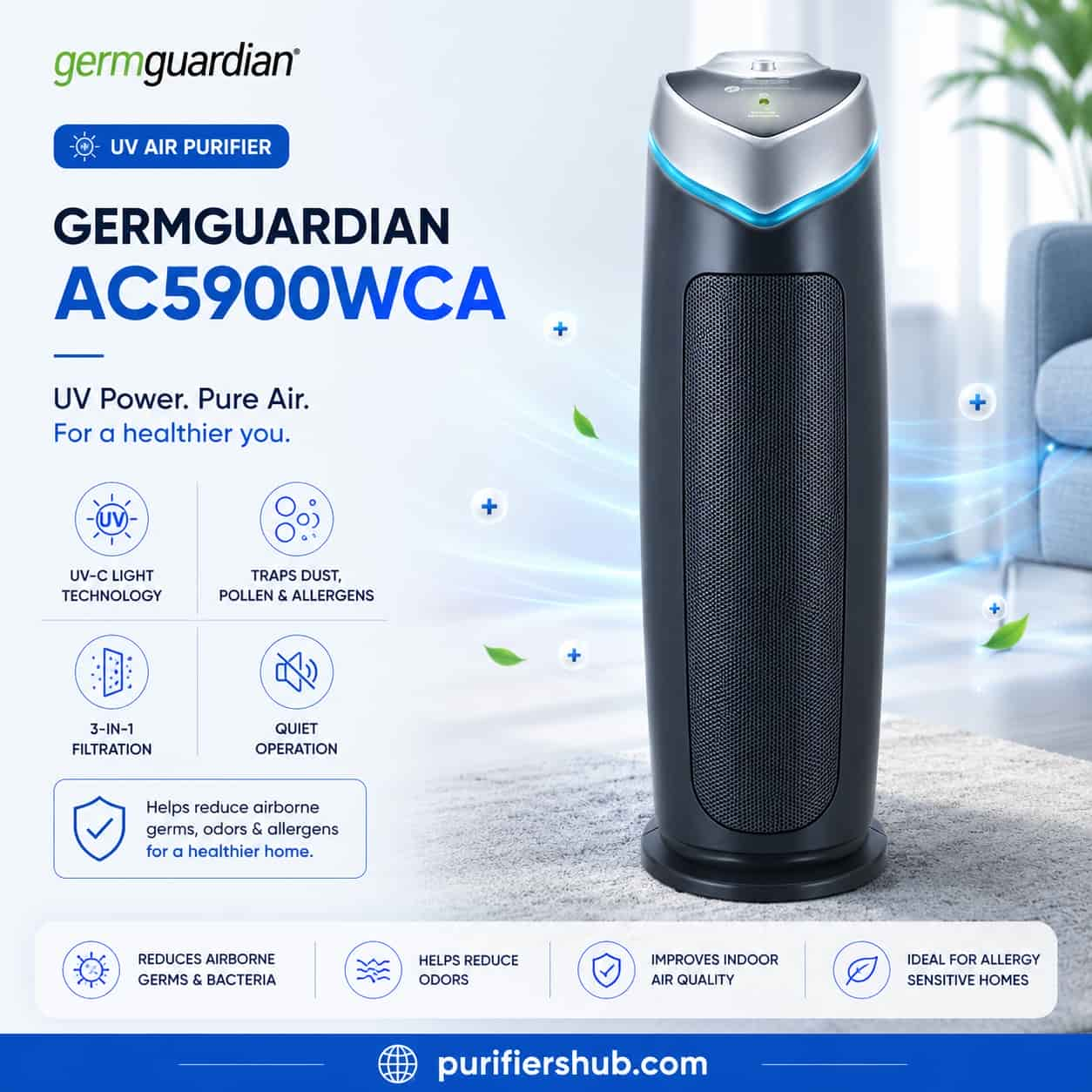
GermGuardian AC5900WCA
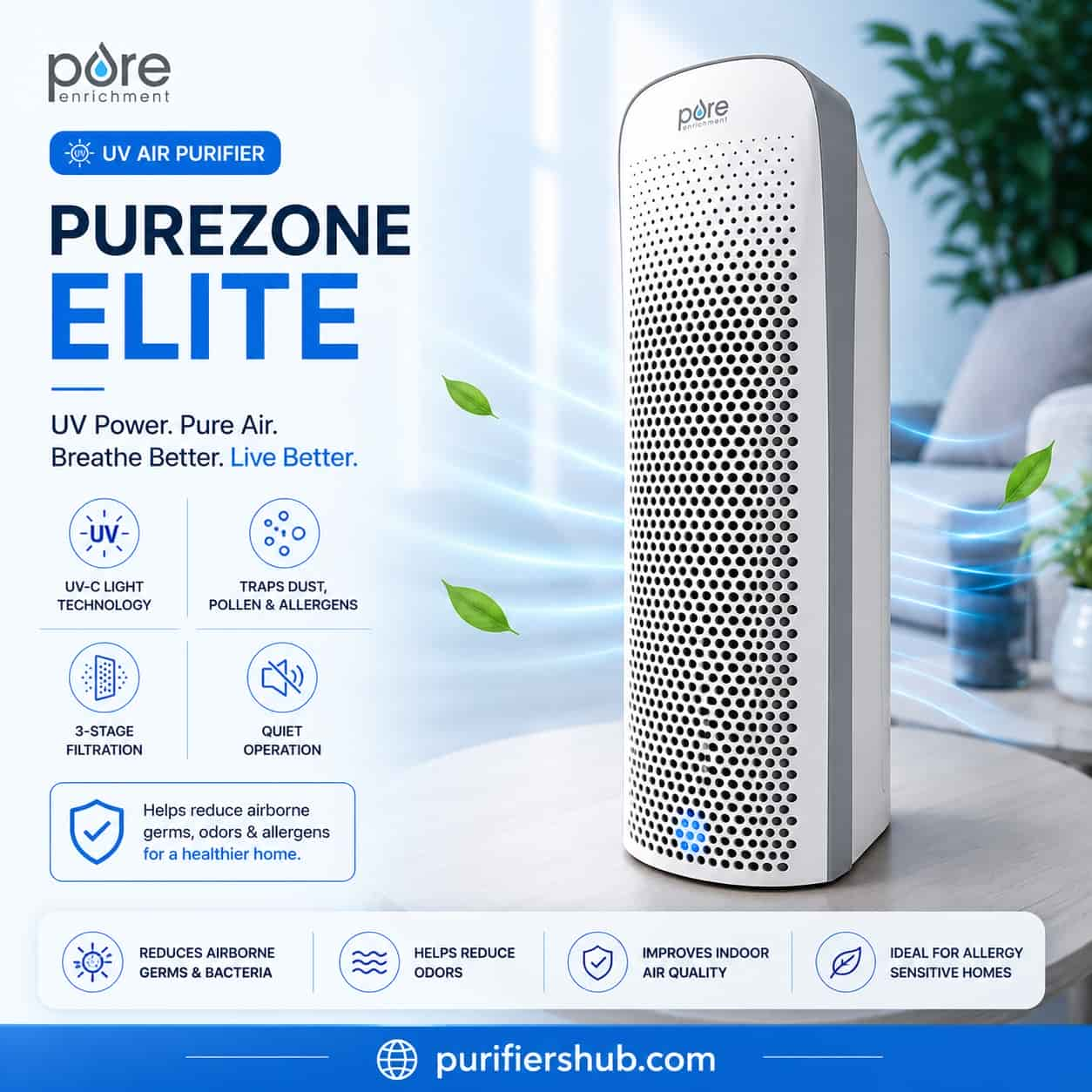
Pure Enrichment PureZone Elite
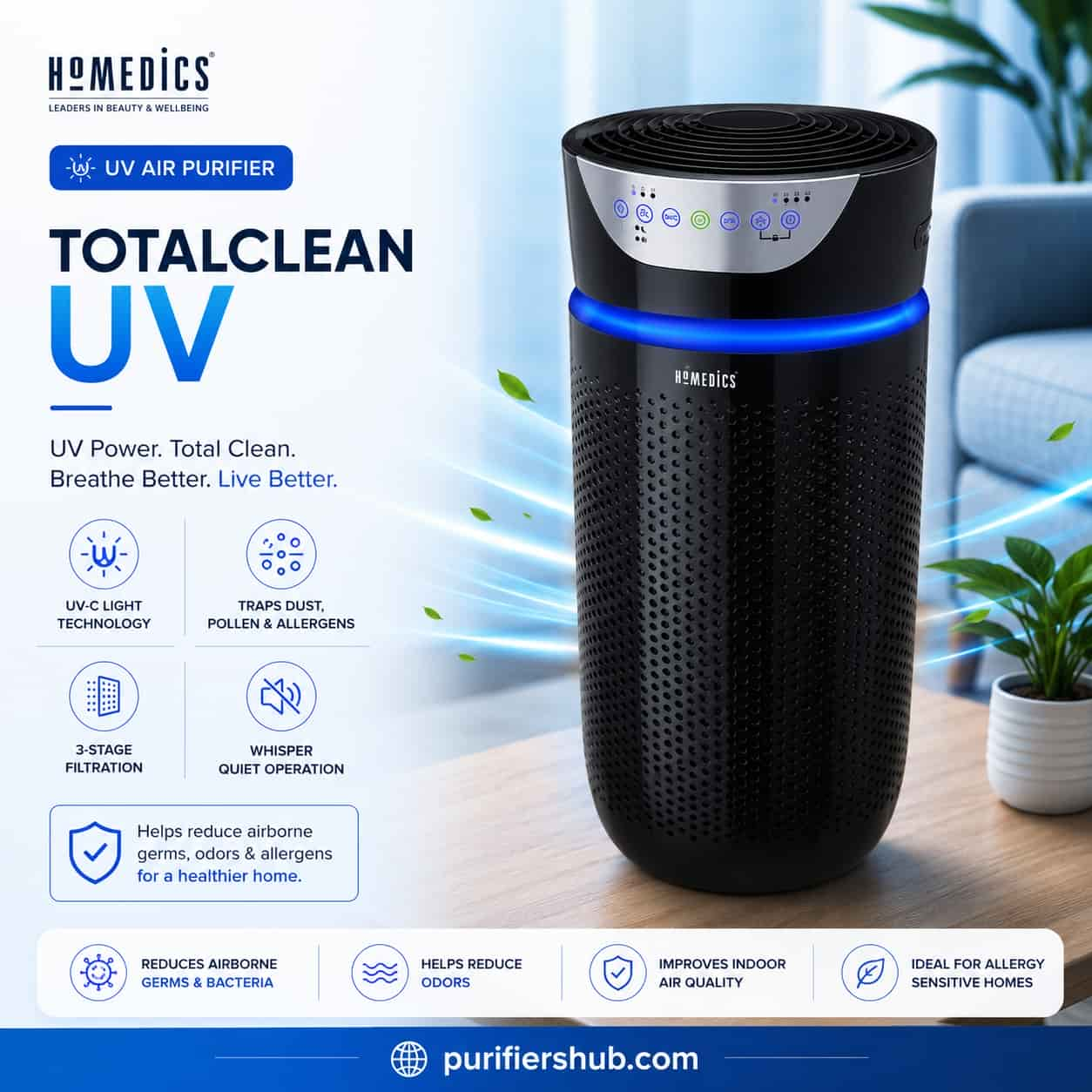
HoMedics TotalClean UV
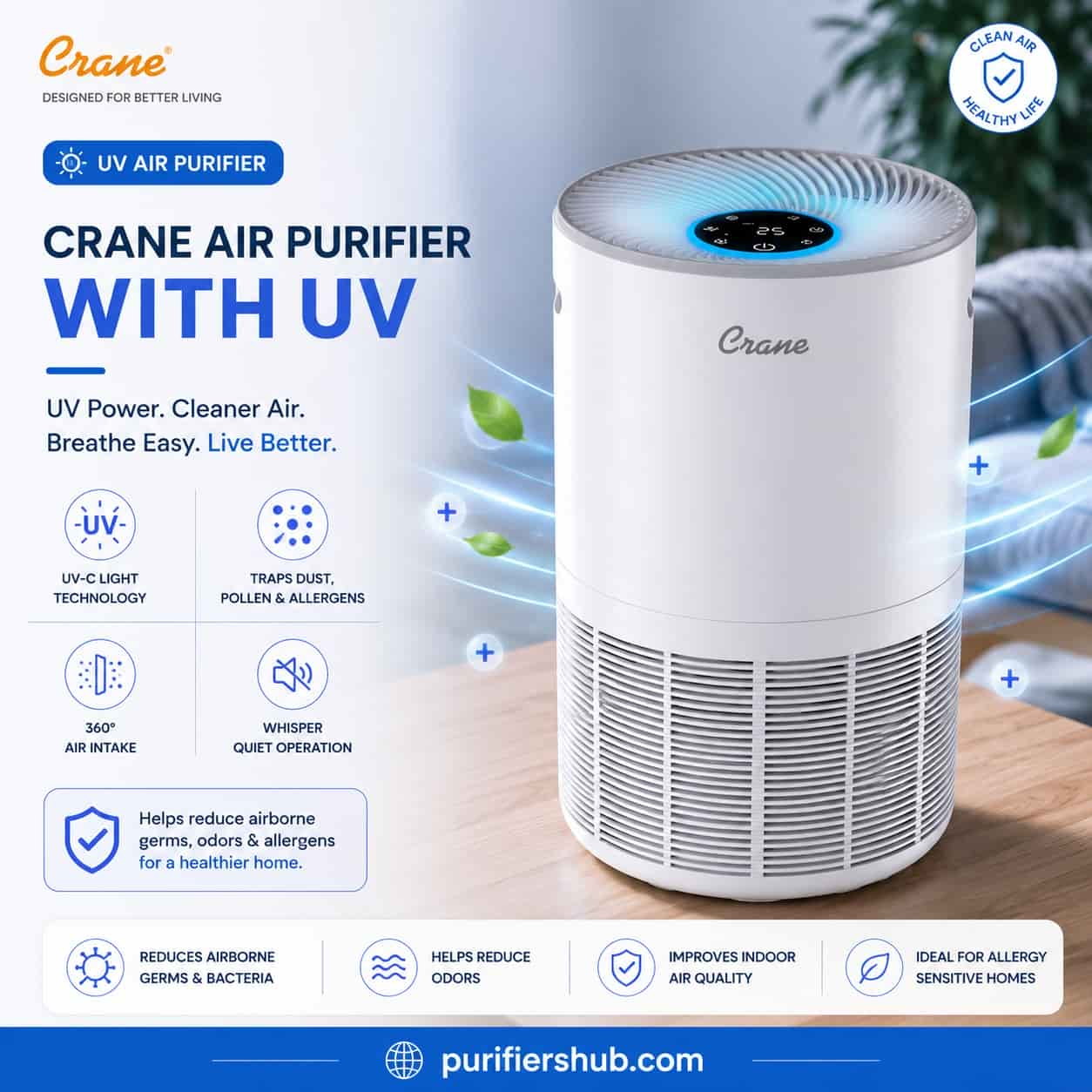
Crane Air Purifier with UV
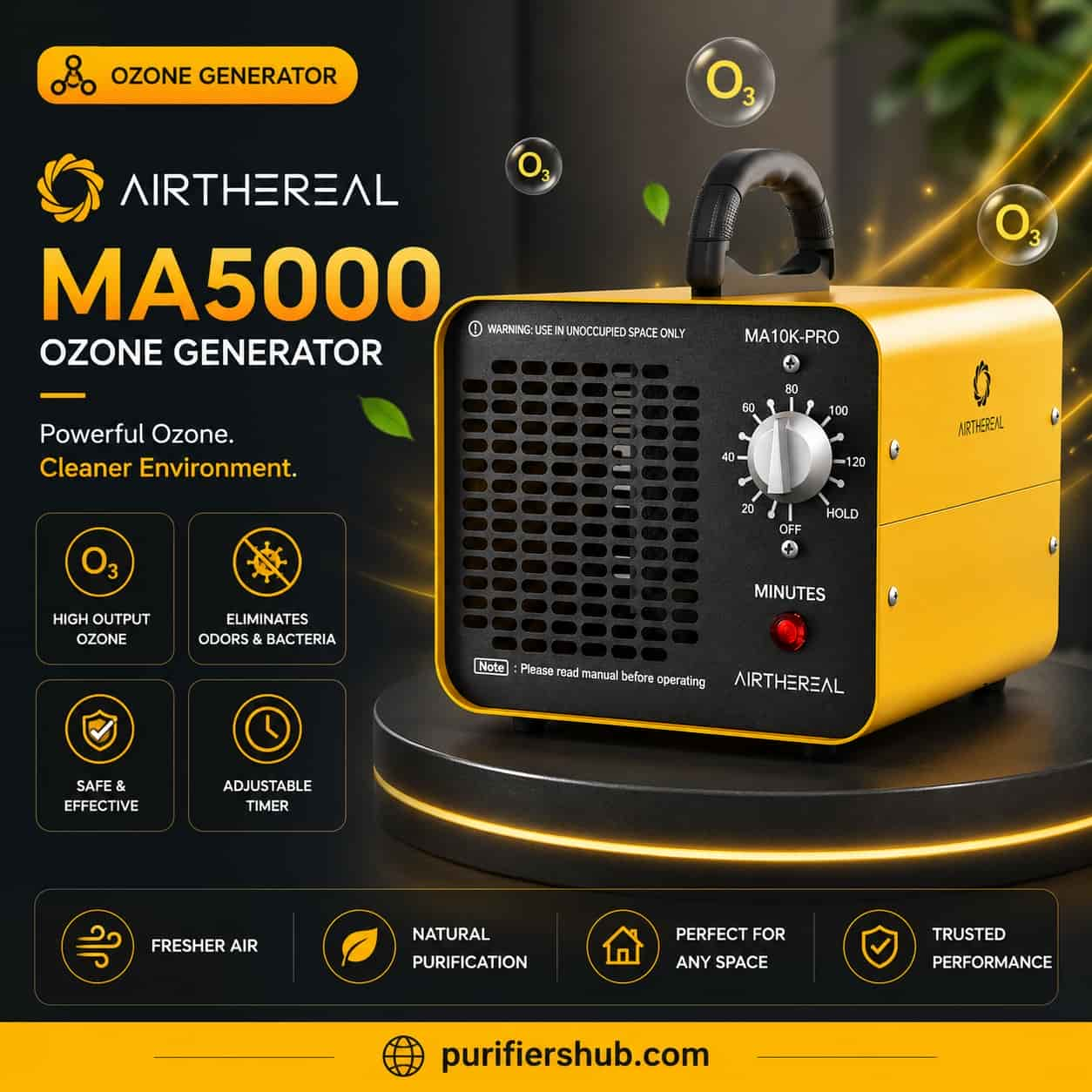
Airthereal MA5000
About Best Air Purifier for Allergies & Pets: Find the Best Fit
Finding the best air purifiers for allergies and pets starts with choosing the right filtration, room coverage, and features for your space. HEPA filtration can help capture airborne particles such as dust, pollen, and pet dander, while suitable airflow and filter maintenance also matter. Explore options for allergy and pet-related needs, compare key features, and understand the factors to consider before choosing an air purifier for your home.
Frequently Asked Questions
What should I look for in the best air purifier for allergies?
Look for effective particle filtration, suitable room coverage, and an appropriate CADR for the space. HEPA filtration can help capture airborne particles such as pollen, dust, and some pet-related particles. Regular filter replacement and proper placement also support consistent filtration performance.
How do the best air purifiers for allergies help with airborne allergens?
Air cleaners work by drawing indoor air through a filter that captures particles from the air. This can reduce airborne concentrations of some allergens, but many allergens also settle on floors, furniture, bedding, and other surfaces. Air cleaning works best as part of a broader approach that includes source control and adequate ventilation.
What should I consider when choosing the best air purifier for allergies and asthma?
Consider HEPA or other effective particle filtration, appropriate room coverage, CADR, filter replacement requirements, and airflow. Air cleaning can be one part of an indoor-air-quality strategy, but it should complement source control and ventilation rather than replace them.
Does an air purifier help with allergies?
Air filtration can reduce some airborne particles and allergens, and studies of portable HEPA air cleaners have reported improvements in some allergy symptoms. Results vary, however, and allergens that settle on carpets, bedding, furniture, and other surfaces still require regular cleaning and source control.
Can an air purifier help with pet dander allergies?
A properly sized air cleaner can help reduce certain airborne particles when operated and maintained correctly. Its effectiveness depends on factors such as filtration, CADR, room size, operating time, and the type and source of the allergen; it should be considered part of a broader approach to indoor air quality.