Ozone Machine: Find the Best Option for Your Needs
Ozone machines generate ozone for targeted odor and contaminant control in unoccupied spaces. Compare models by output, controls, and safety features — not intended for use in occupied rooms.
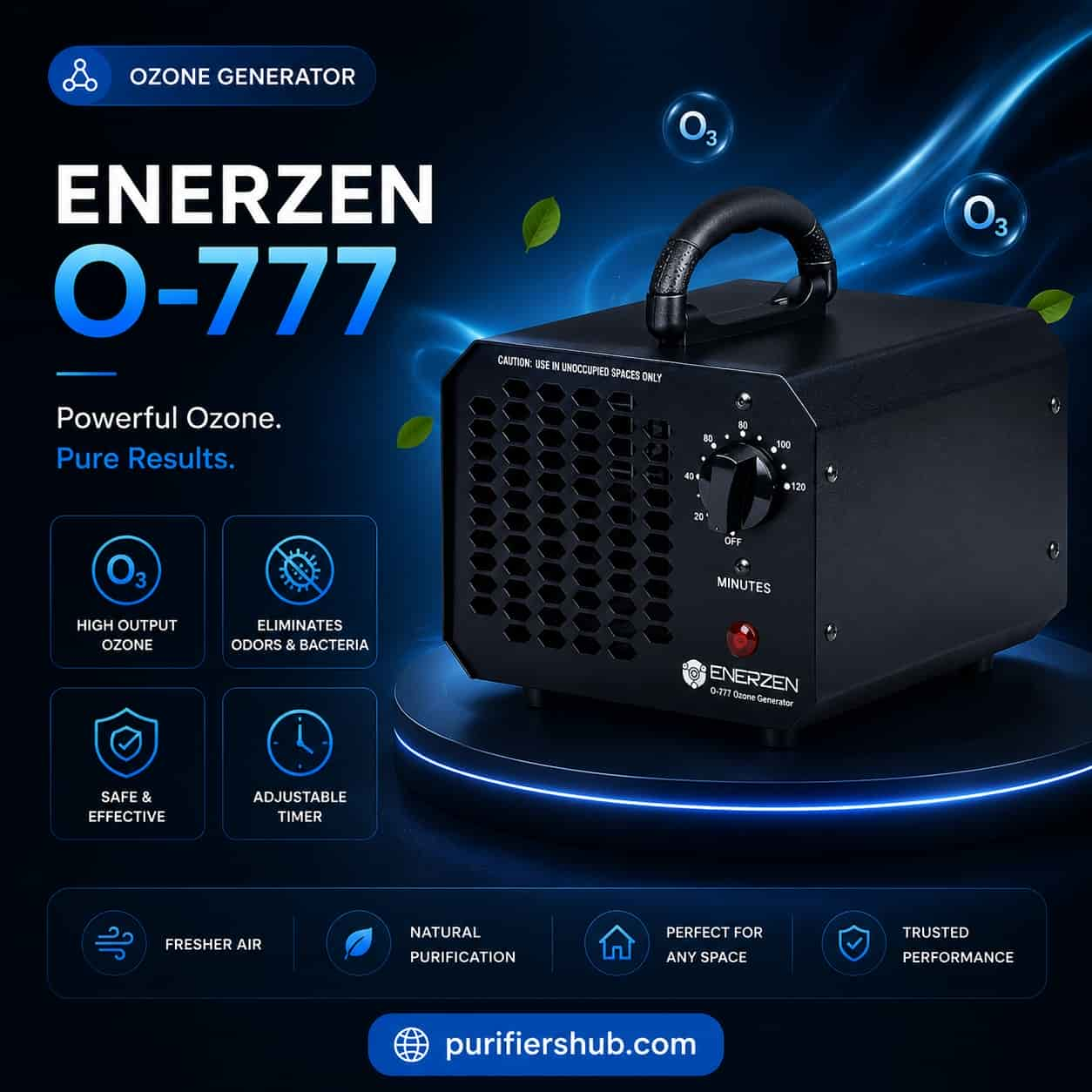
Enerzen O-777
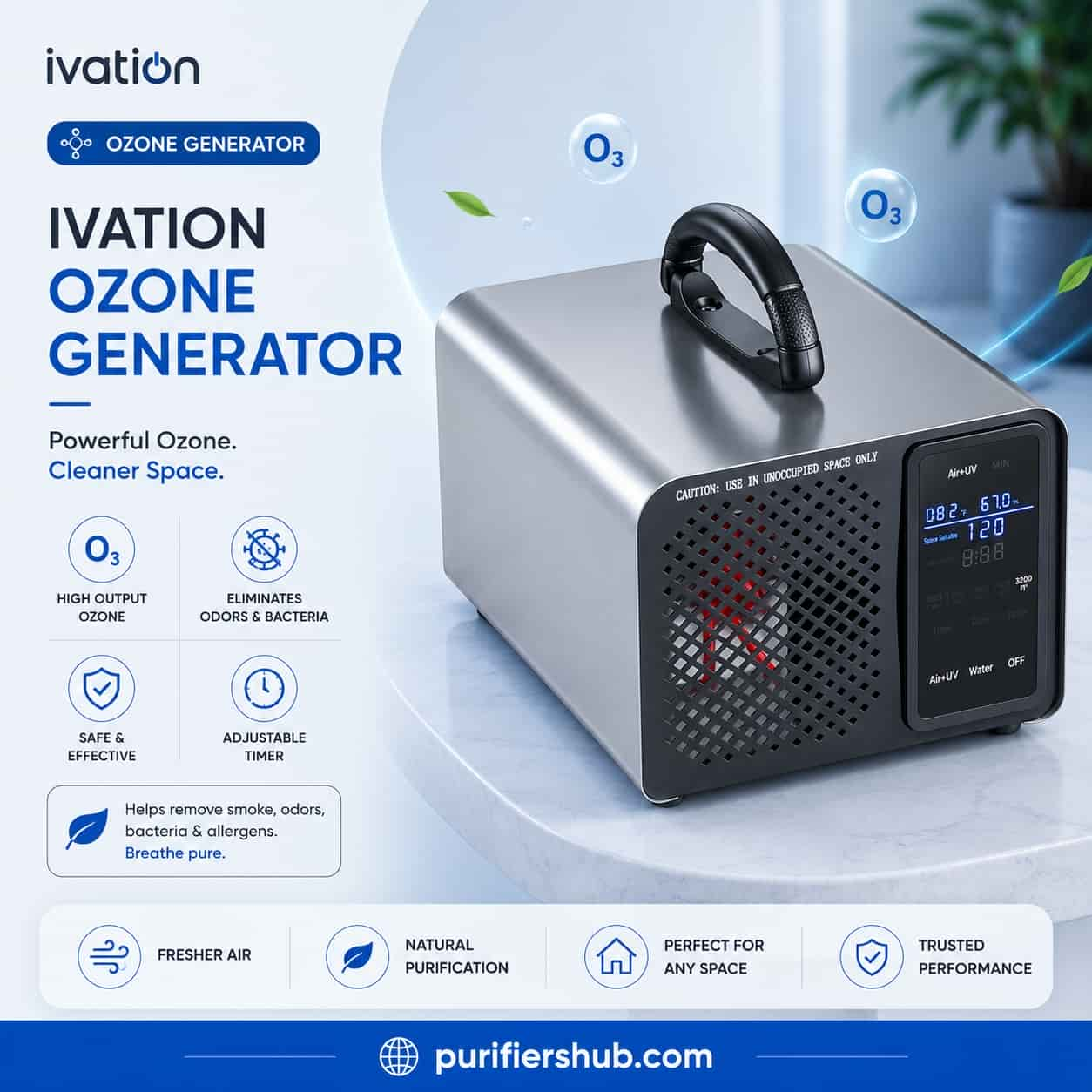
Ivation Ozone Generator
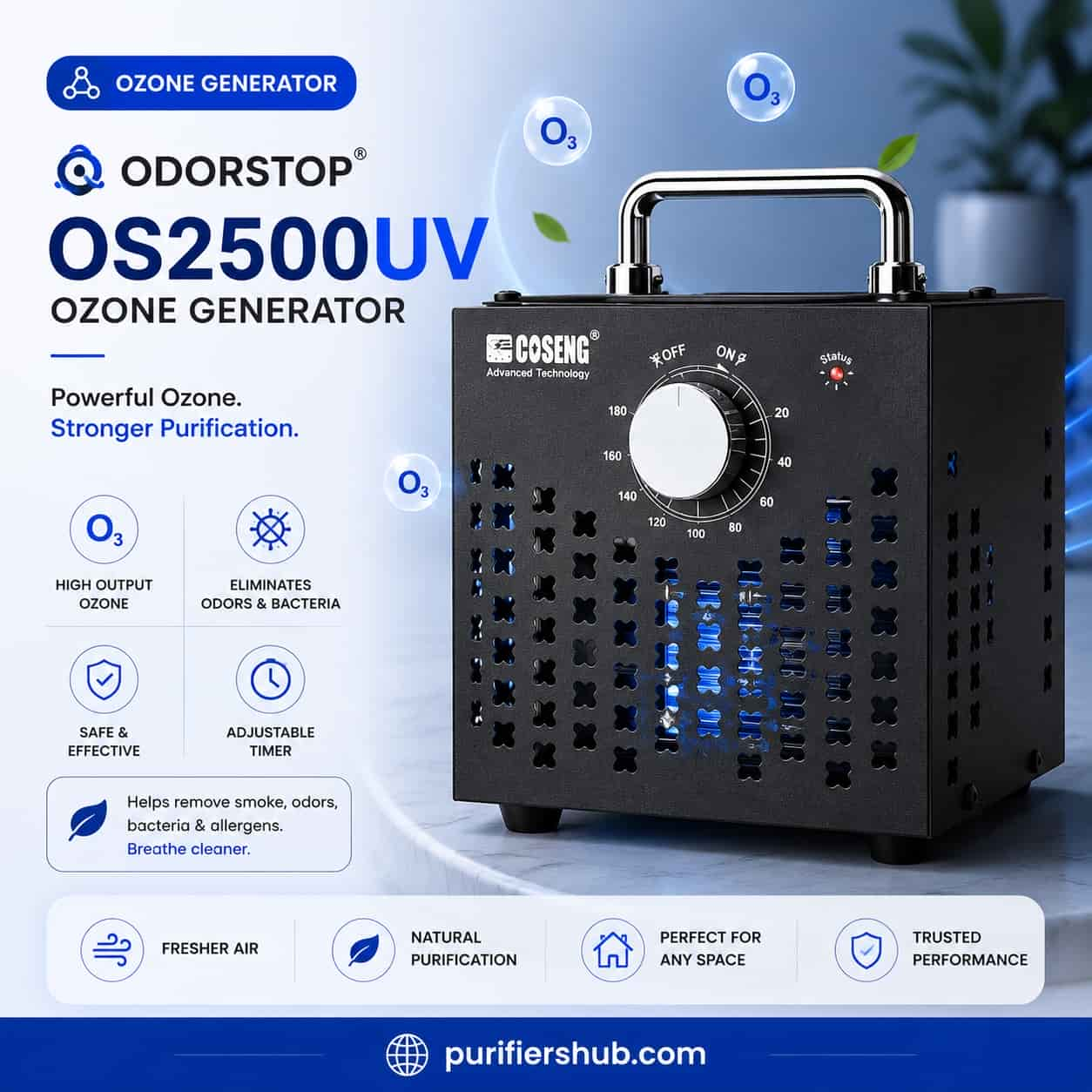
OdorStop OS2500UV
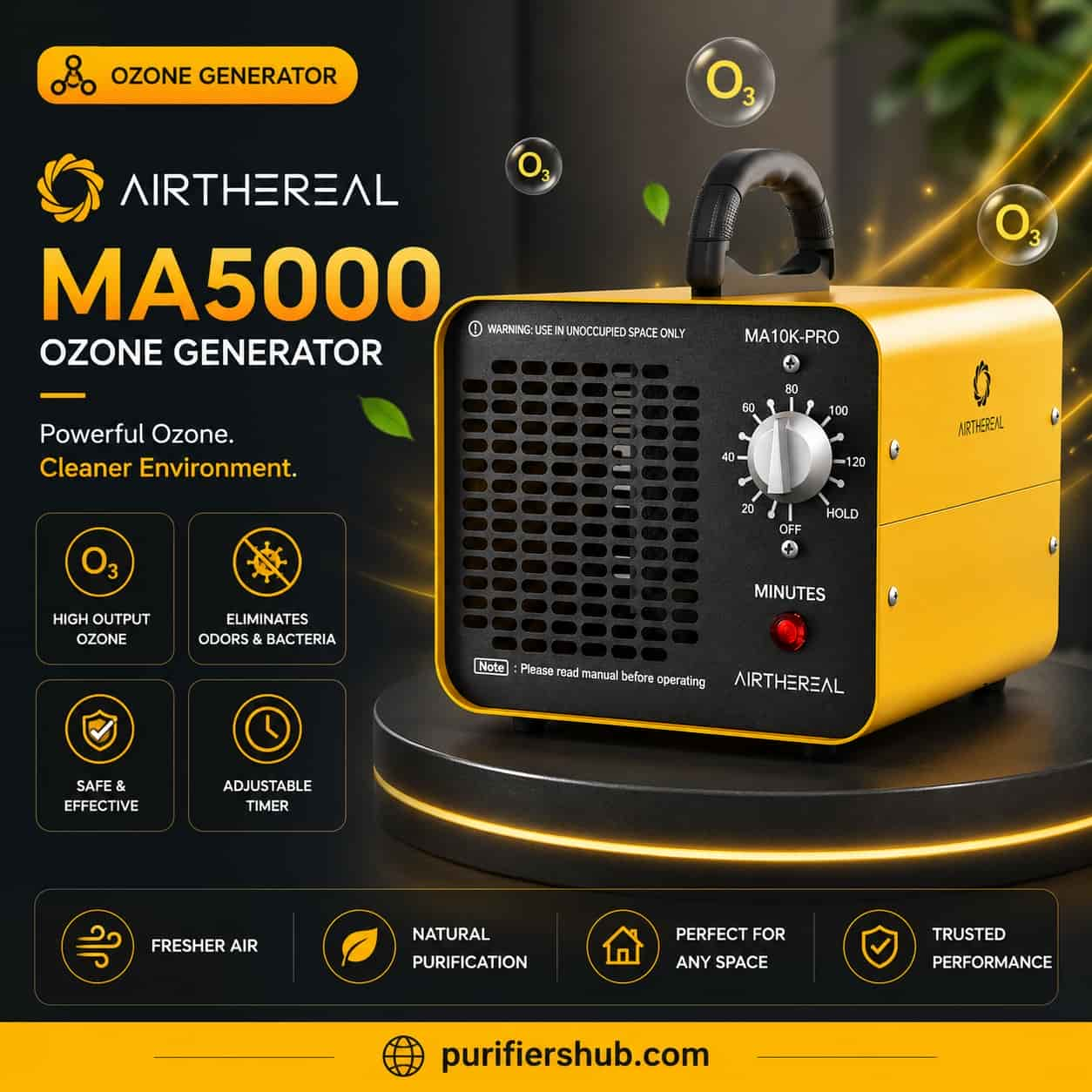
Airthereal MA5000
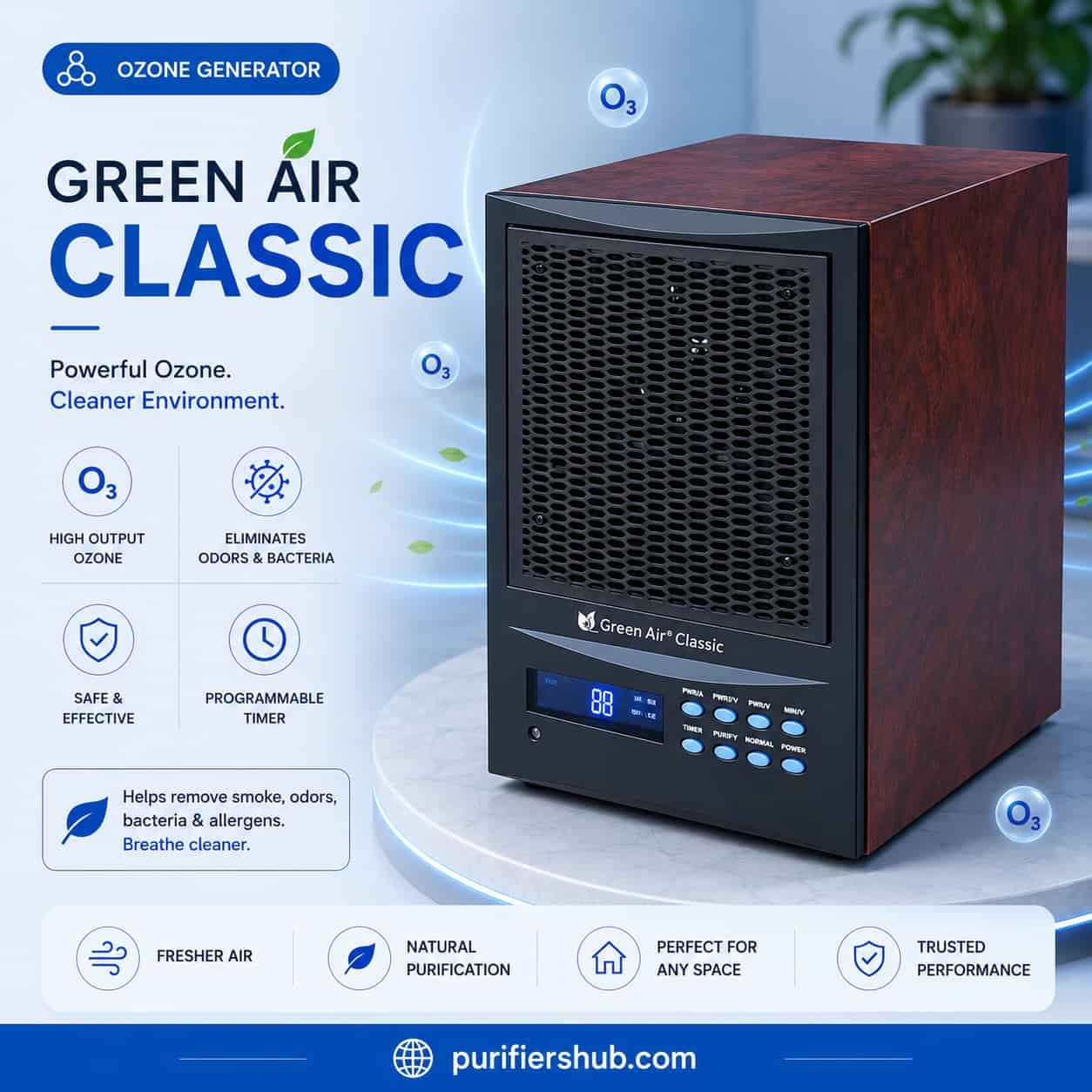
Green Air Classic
About Ozone Machine: Find the Best Option for Your Needs
An ozone machine is a device designed to generate ozone for specific air-treatment applications, including odor and contaminant control in appropriate environments. However, ozone can irritate the lungs, and ozone-generating devices are not intended for use in occupied spaces. When comparing an ozone machine, it is important to understand how ozone works, where it may be appropriate, its limitations, and the safety precautions involved. This guide explains ozone generators, their common applications, key features to compare, and important safety considerations to help you make a more informed choice for your needs.
Frequently Asked Questions
What is an ozone machine and how does it work?
An ozone machine is a device that intentionally produces ozone, a highly reactive form of oxygen. Depending on the design, ozone may be generated through methods such as electrical discharge or UV-based systems. The gas reacts chemically with certain substances in the environment, which is why these devices are often marketed for odor or contaminant treatment. However, ozone is a lung irritant, and ozone-generating air cleaners are not recommended for occupied spaces.
What should you consider when choosing an ozone machine?
Consider the intended application, ozone output, operating controls, space requirements, manufacturer instructions, and safety information before evaluating a model. It is also important to distinguish between products designed for controlled, unoccupied applications and devices marketed as general-purpose air cleaners. Ozone concentration can vary according to factors such as output, room size, ventilation, and the materials present, so product specifications alone do not guarantee a safe indoor concentration.
Are ozone generators safe to use in occupied spaces?
Ozone-generating air cleaners present a specific exposure concern when people or animals are present. EPA advises against using ozone generators in occupied spaces because ozone can irritate the airways and potentially cause other respiratory effects. For any application involving ozone, the operating environment, exposure risk, manufacturer instructions, and applicable safety requirements should be considered carefully.
What are ozone generators commonly used for?
Ozone generators are marketed for applications such as odor treatment and certain controlled remediation tasks. High ozone concentrations may sometimes be used in unoccupied environments for specialized applications, including some restoration work, but such use requires careful control to prevent exposure to people or pets. EPA also notes that ozone is not a reliable substitute for source control, ventilation, or proven air-cleaning methods for general indoor air-quality management.
Can ozone generators replace HEPA air purifiers or ventilation?
Ozone generation works through a different process from mechanical filtration and ventilation, so it should not be treated as a direct replacement for either approach. HEPA filtration is designed to capture airborne particles, while ventilation helps remove or dilute indoor pollutants. EPA identifies source control and ventilation as important approaches to indoor air quality and recommends treating air cleaning as a supplement rather than a complete solution.