HEPA Air Purifier: Find the Best One for Your Home
HEPA air purifiers capture 99.97% of airborne particles including dust, pollen, and pet dander. Compare models by CADR, room coverage, and filter type to find the right option for your home.
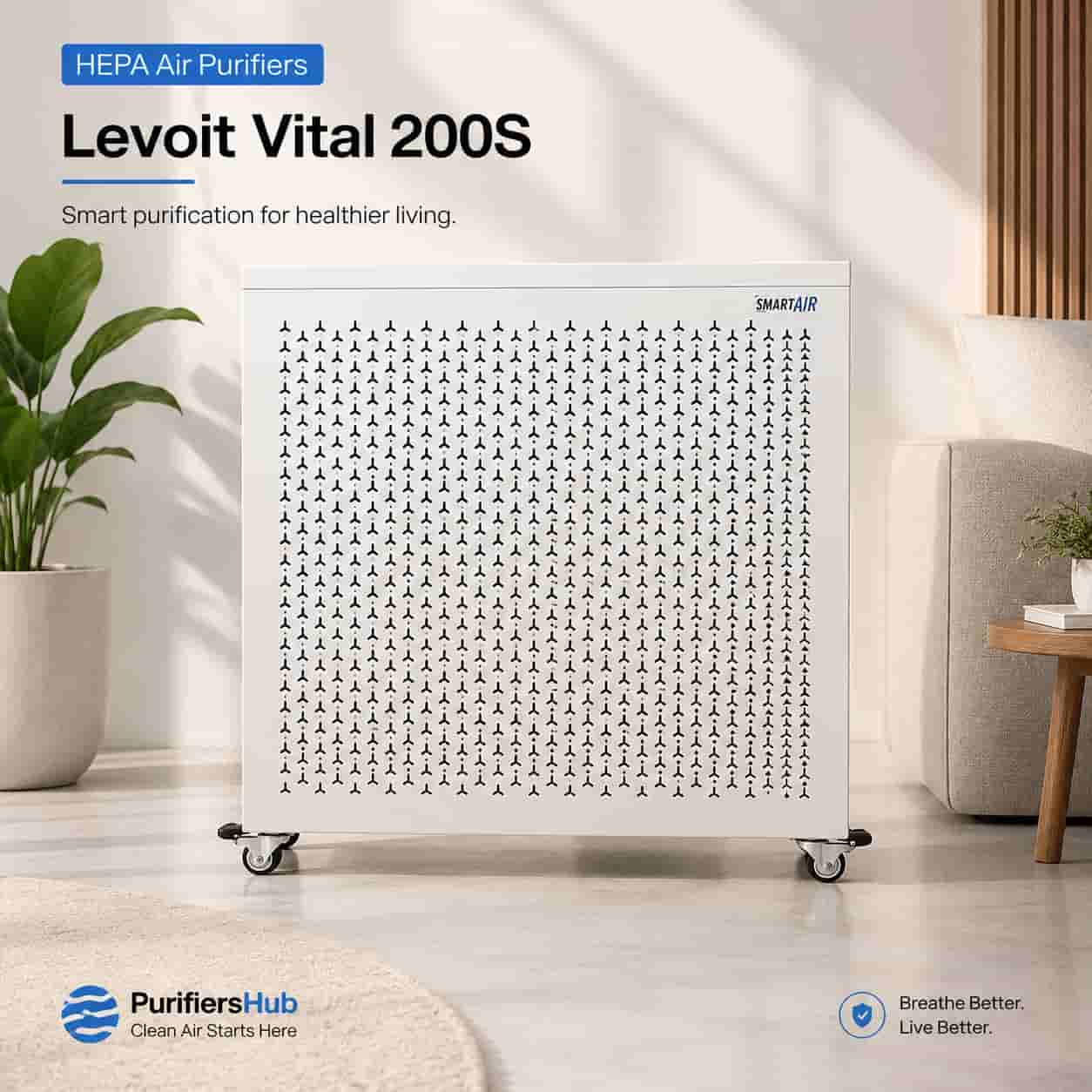
Levoit Vital 200S
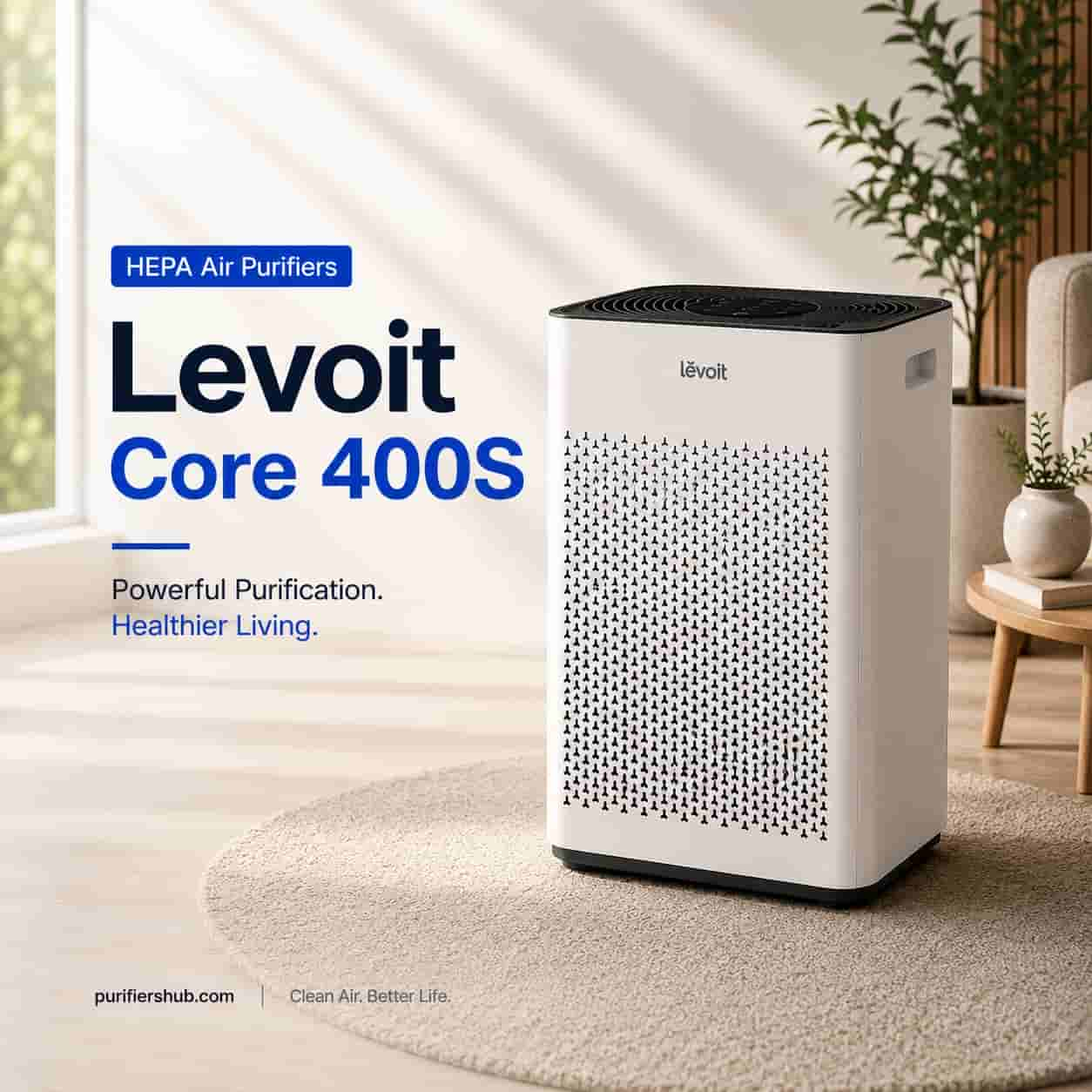
Levoit Core 400S
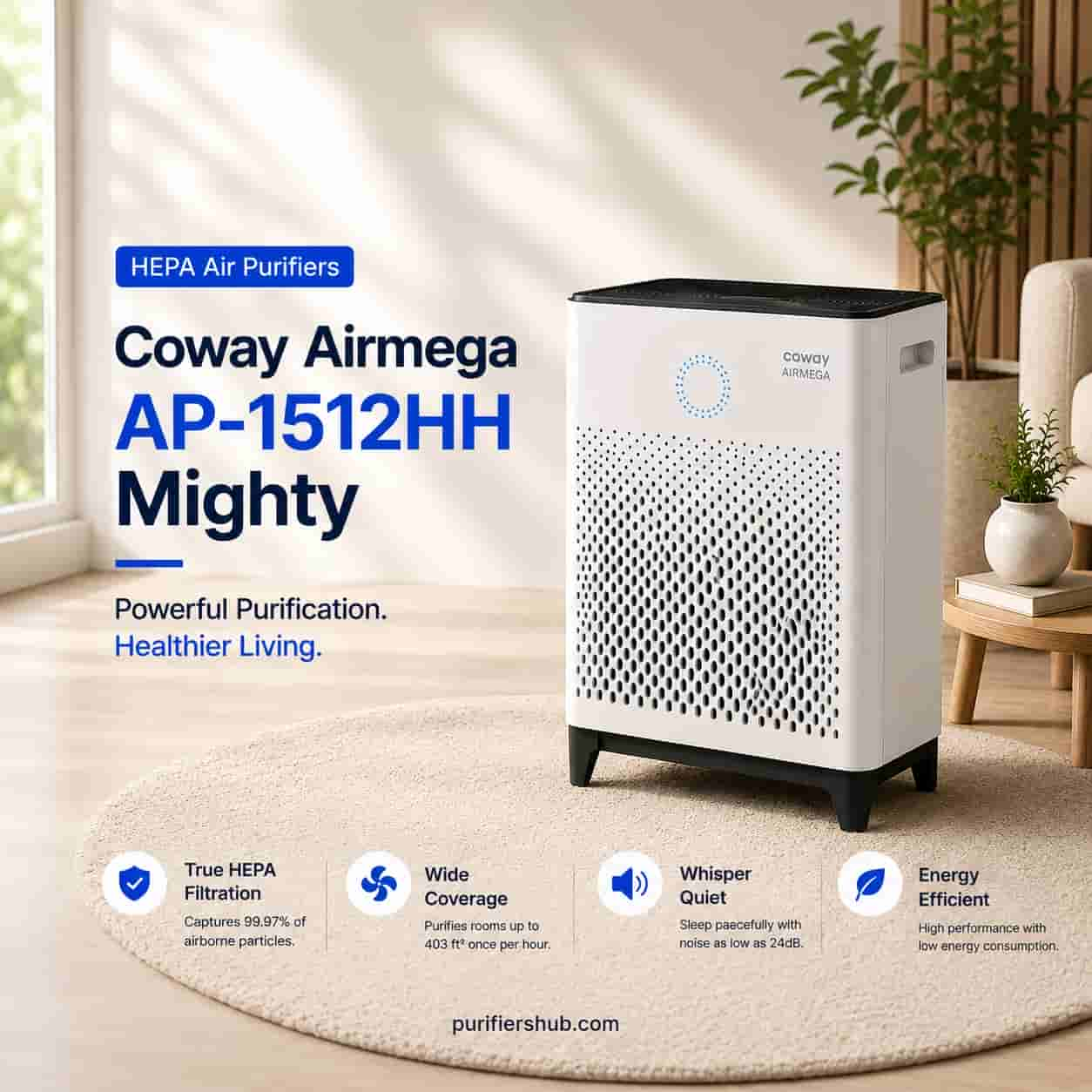
Coway Airmega AP-1512HH Mighty
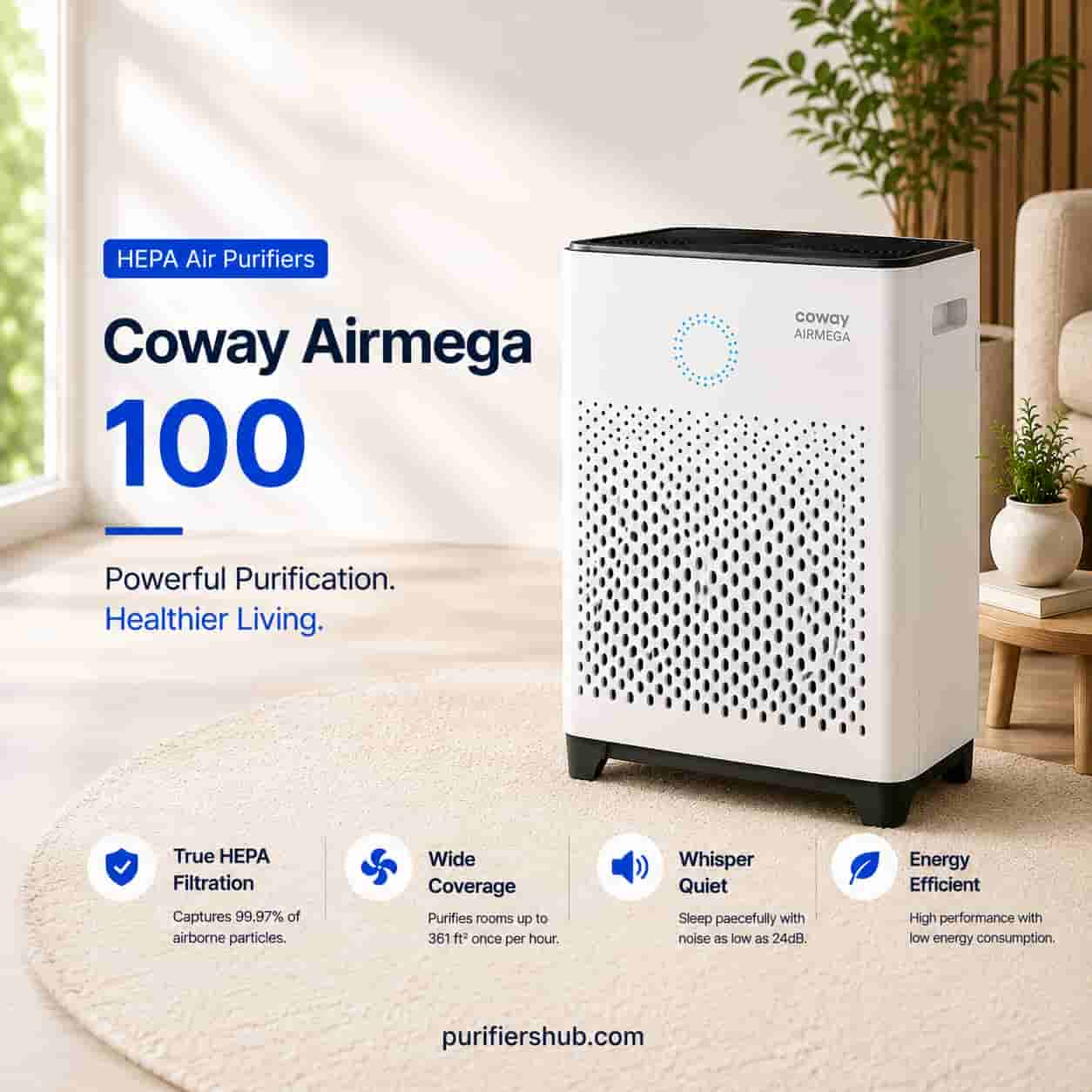
Coway Airmega 100
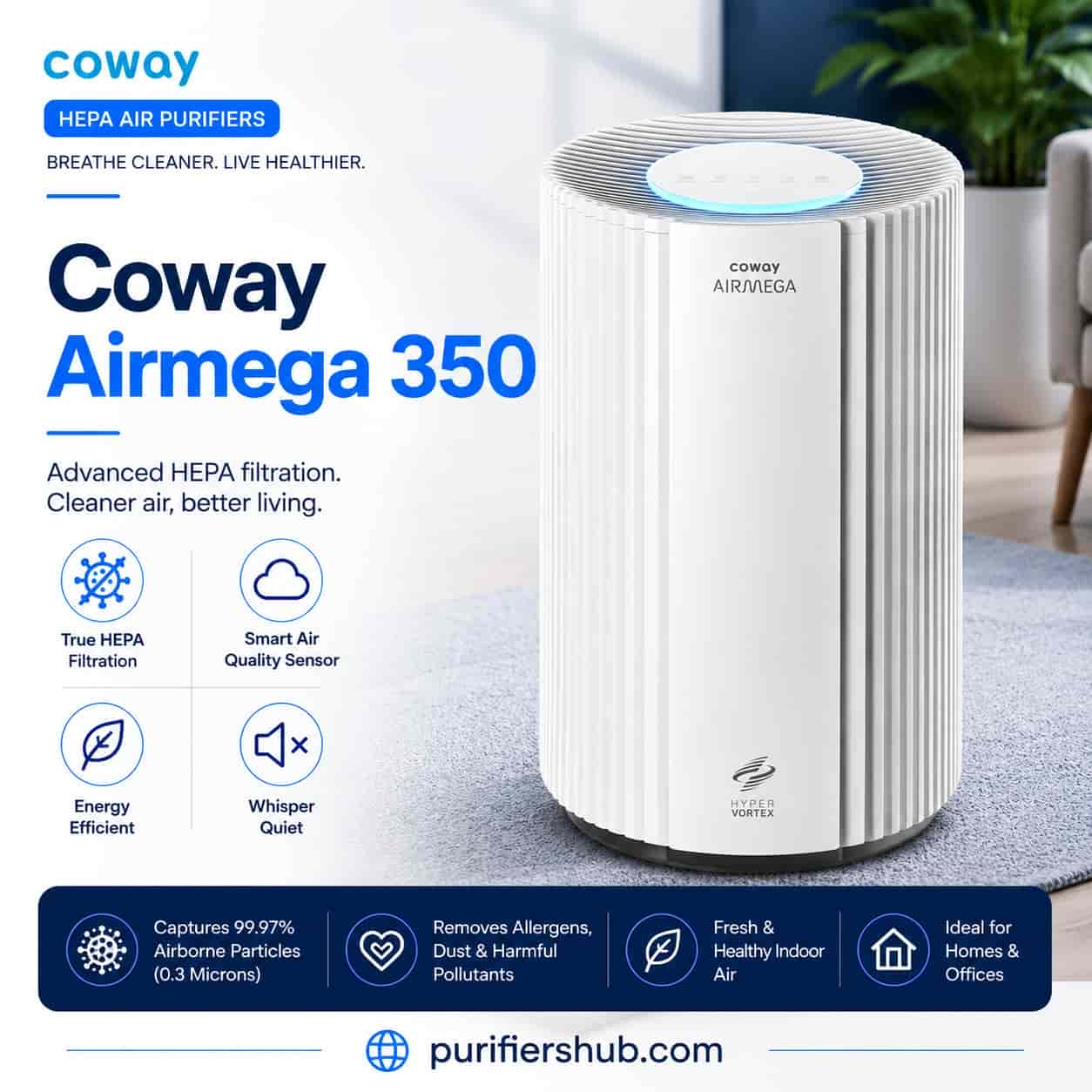
Coway Airmega 350
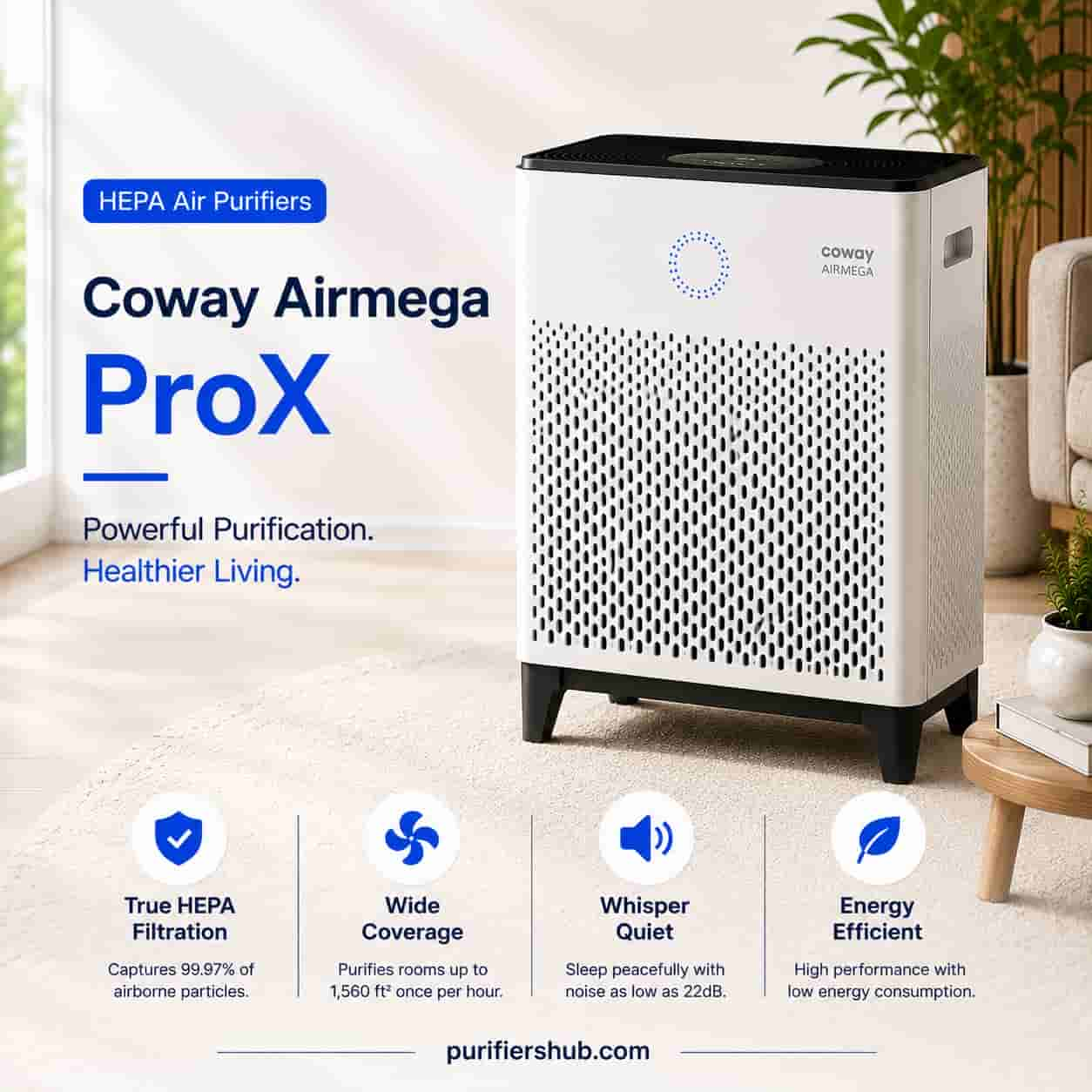
Coway Airmega ProX
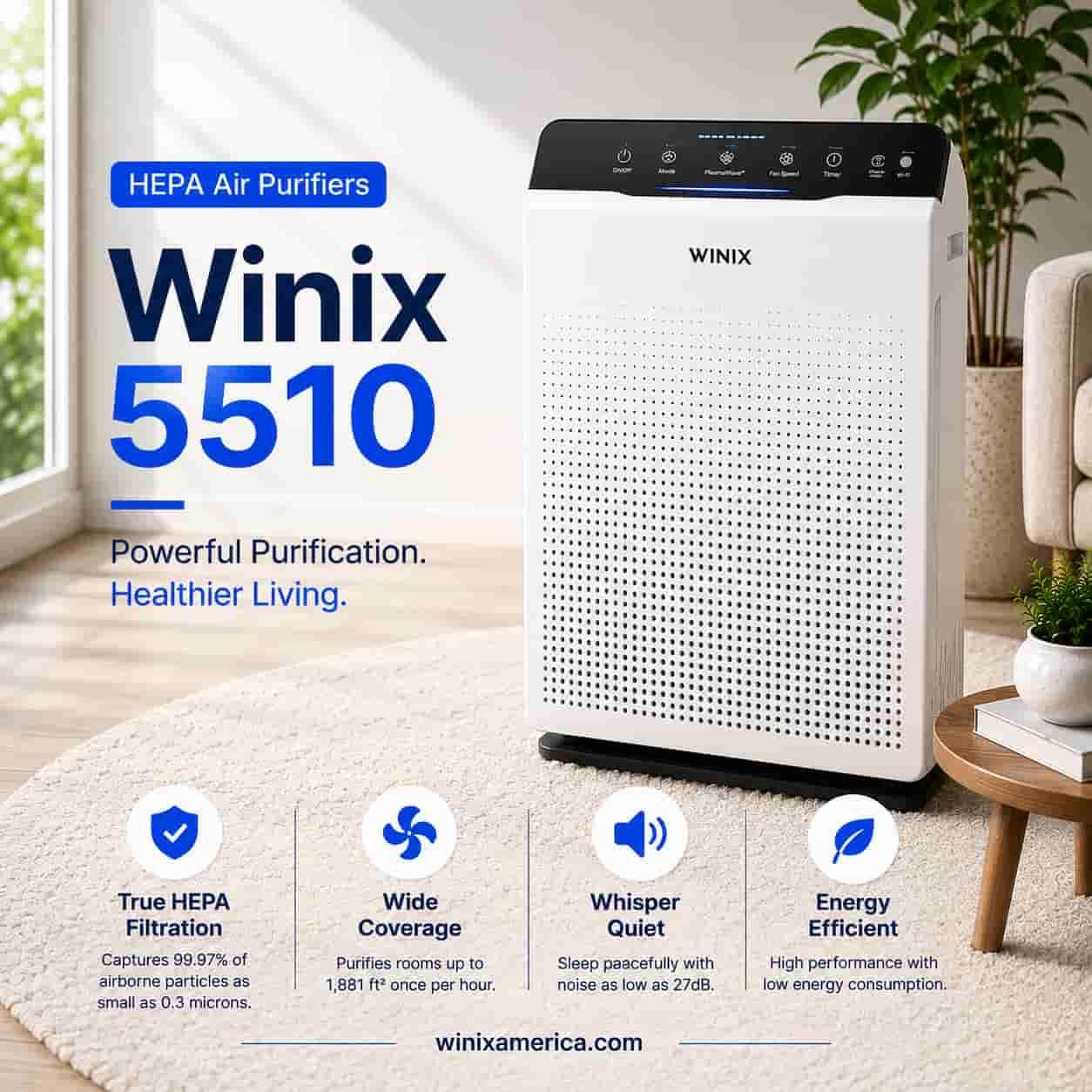
Winix 5510
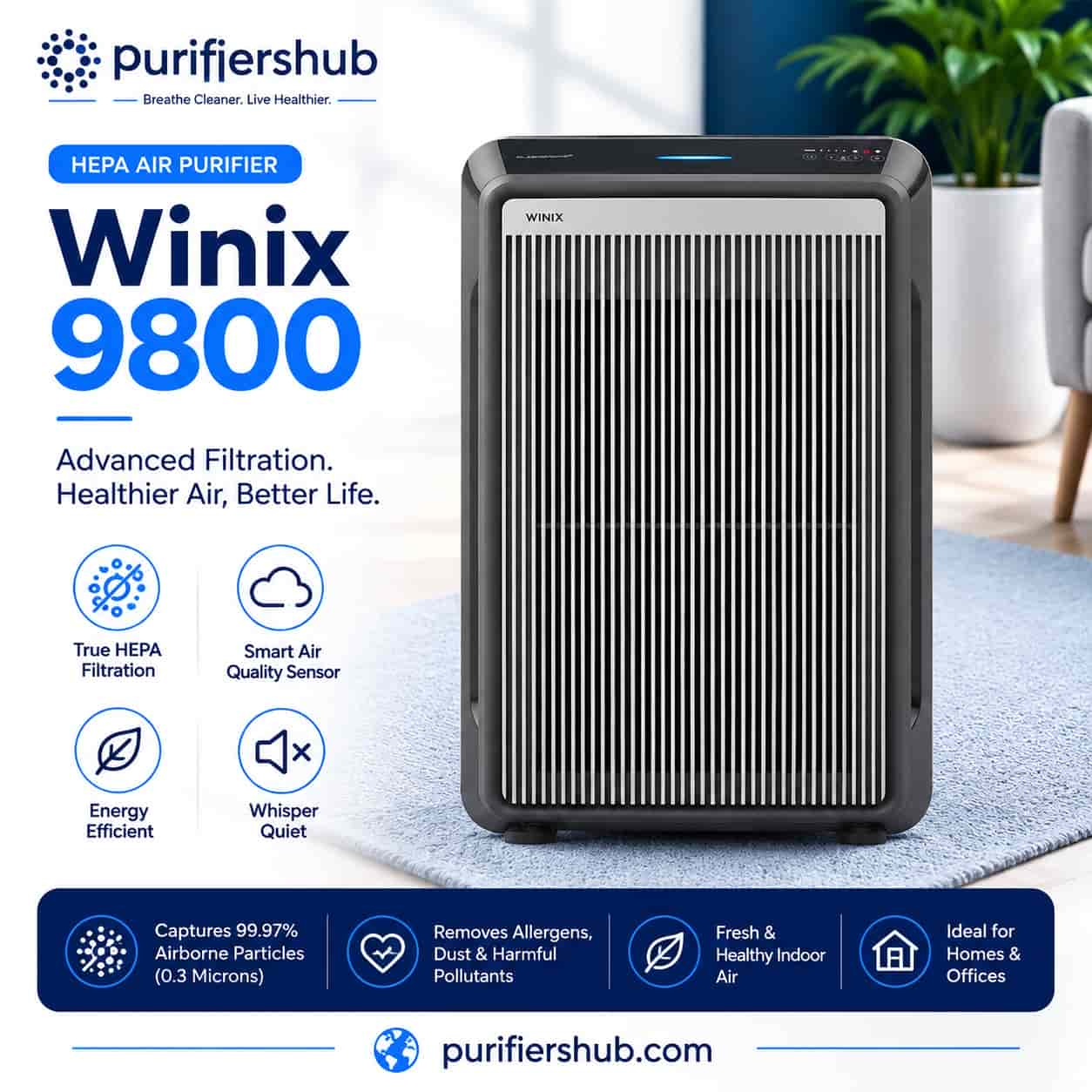
Winix 9800
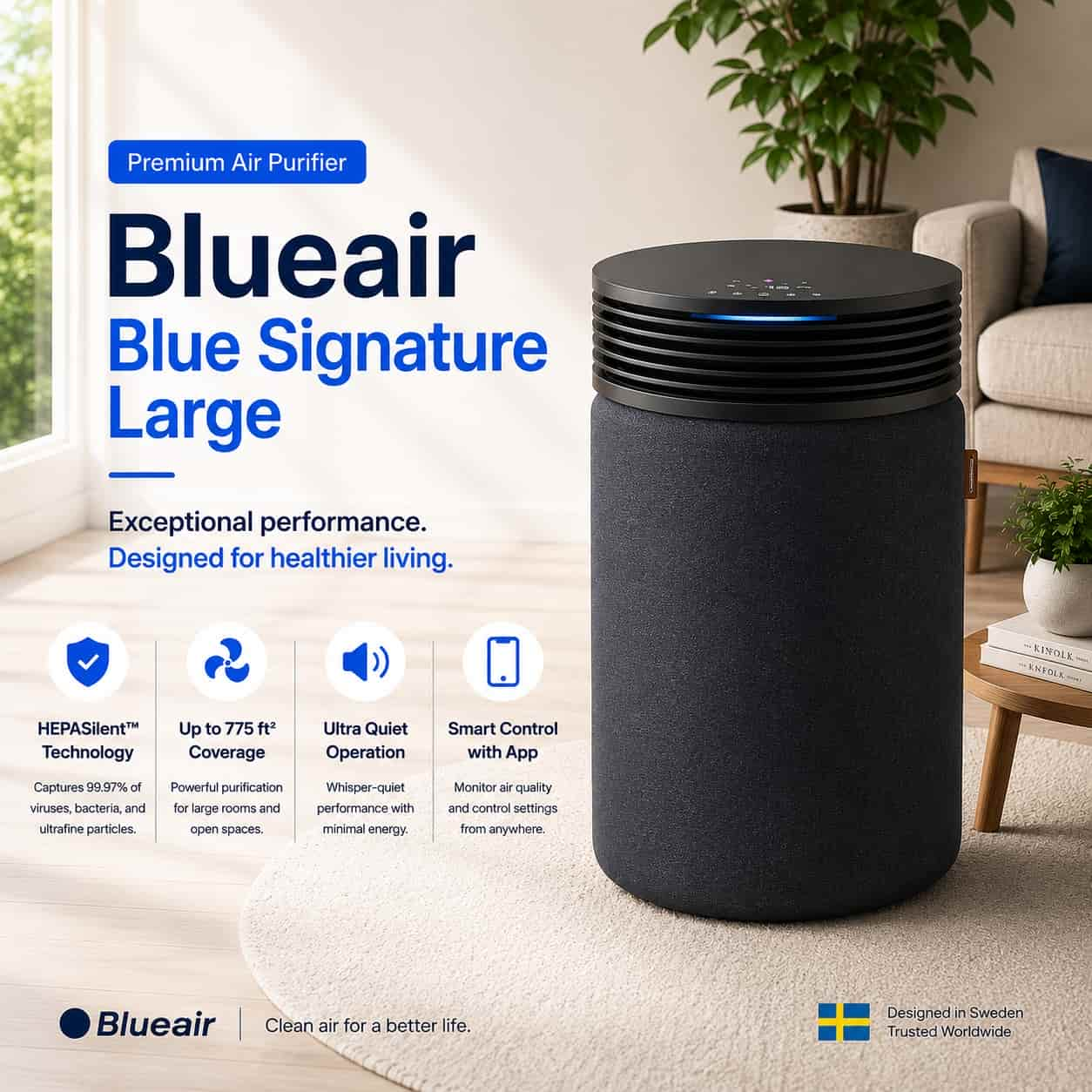
Blueair Blue Signature Large
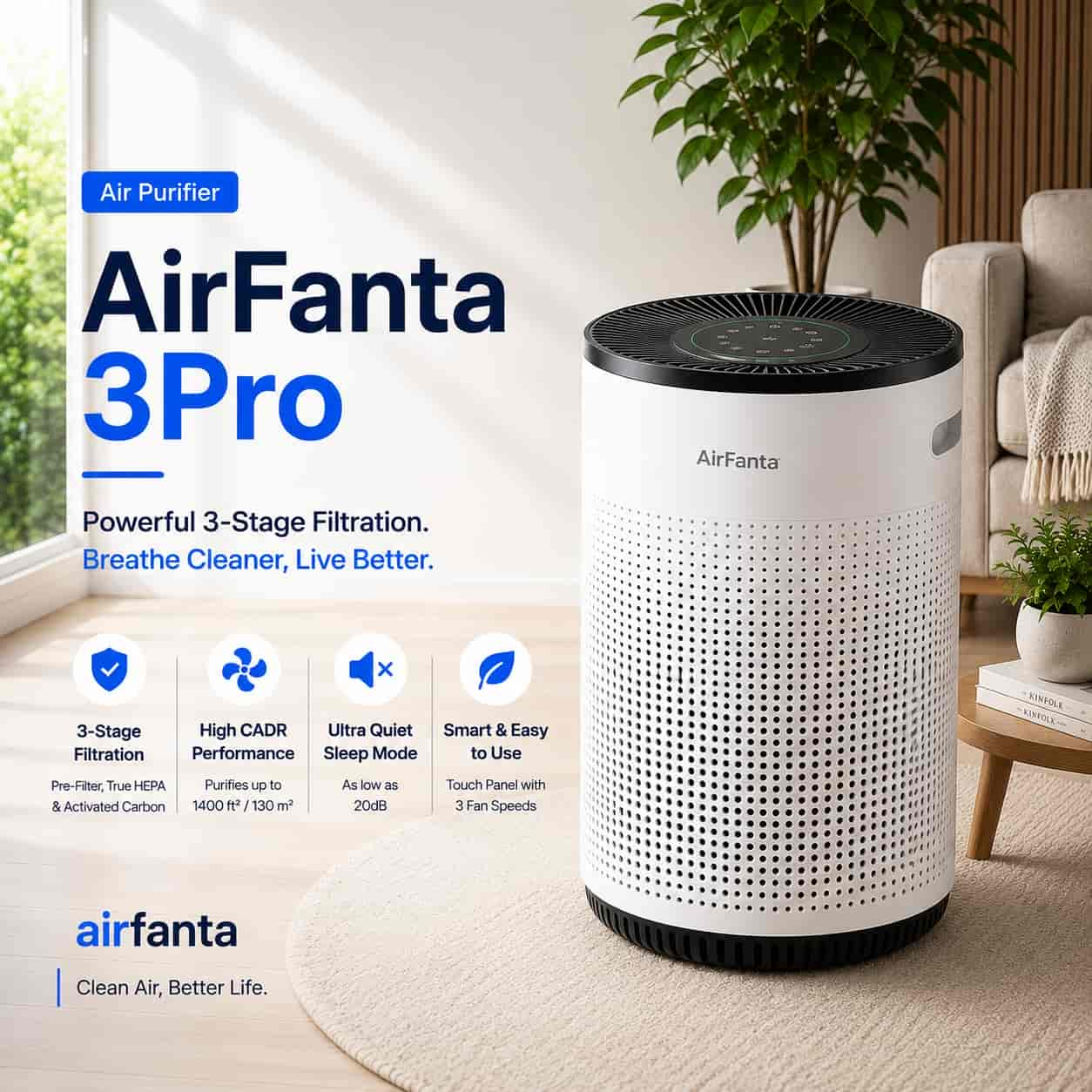
AirFanta 3Pro
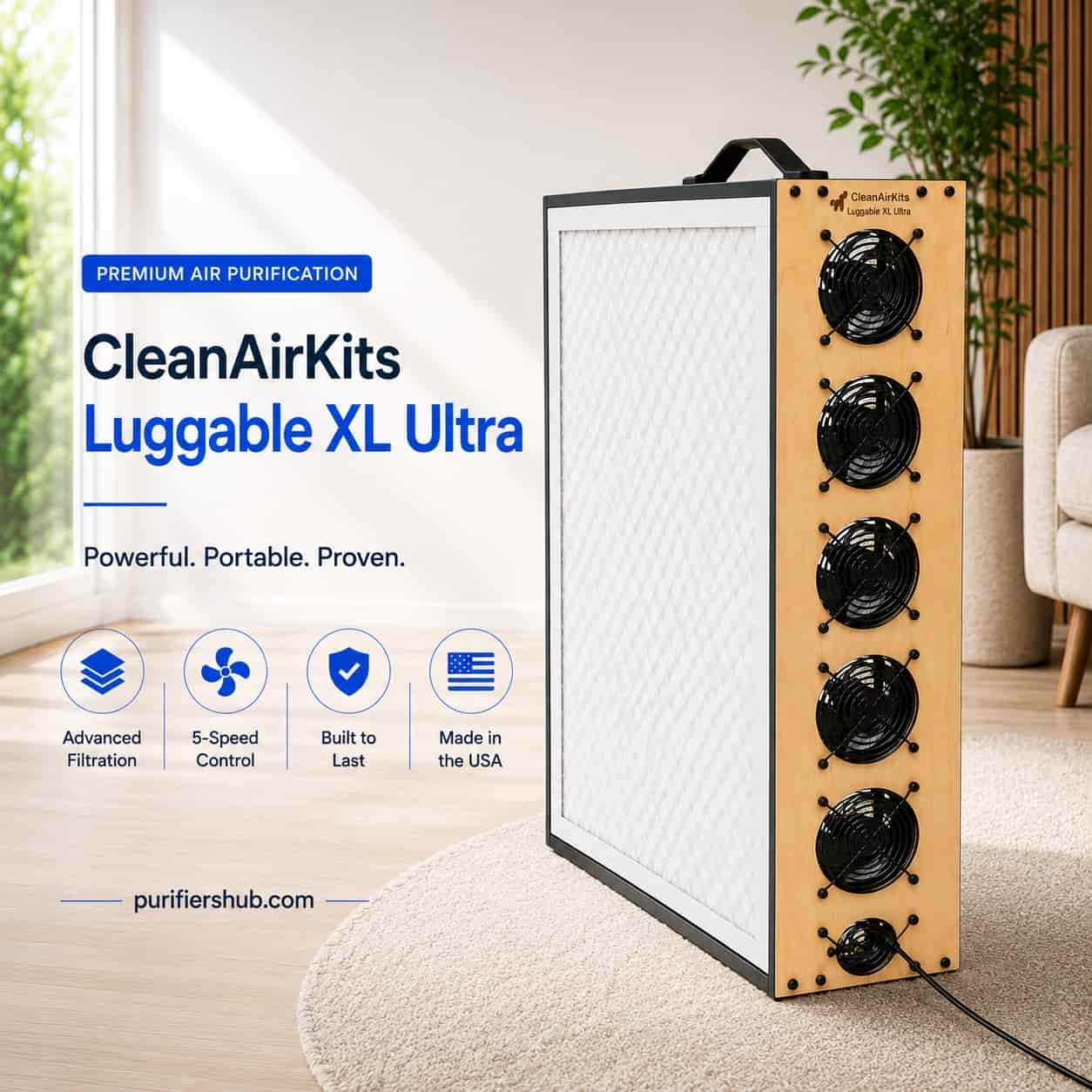
CleanAirKits Luggable XL Ultra
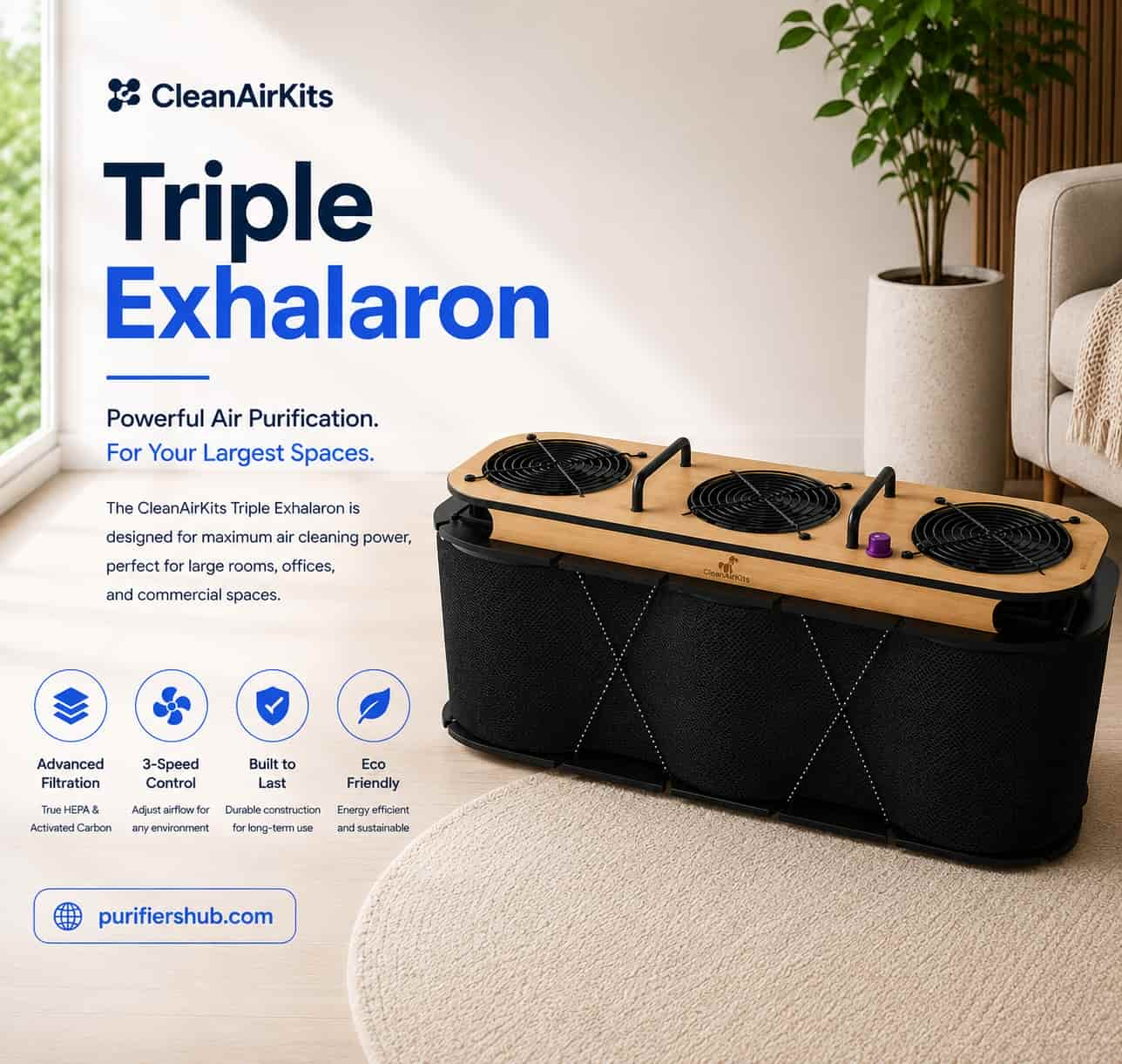
CleanAirKits Triple Exhalaron
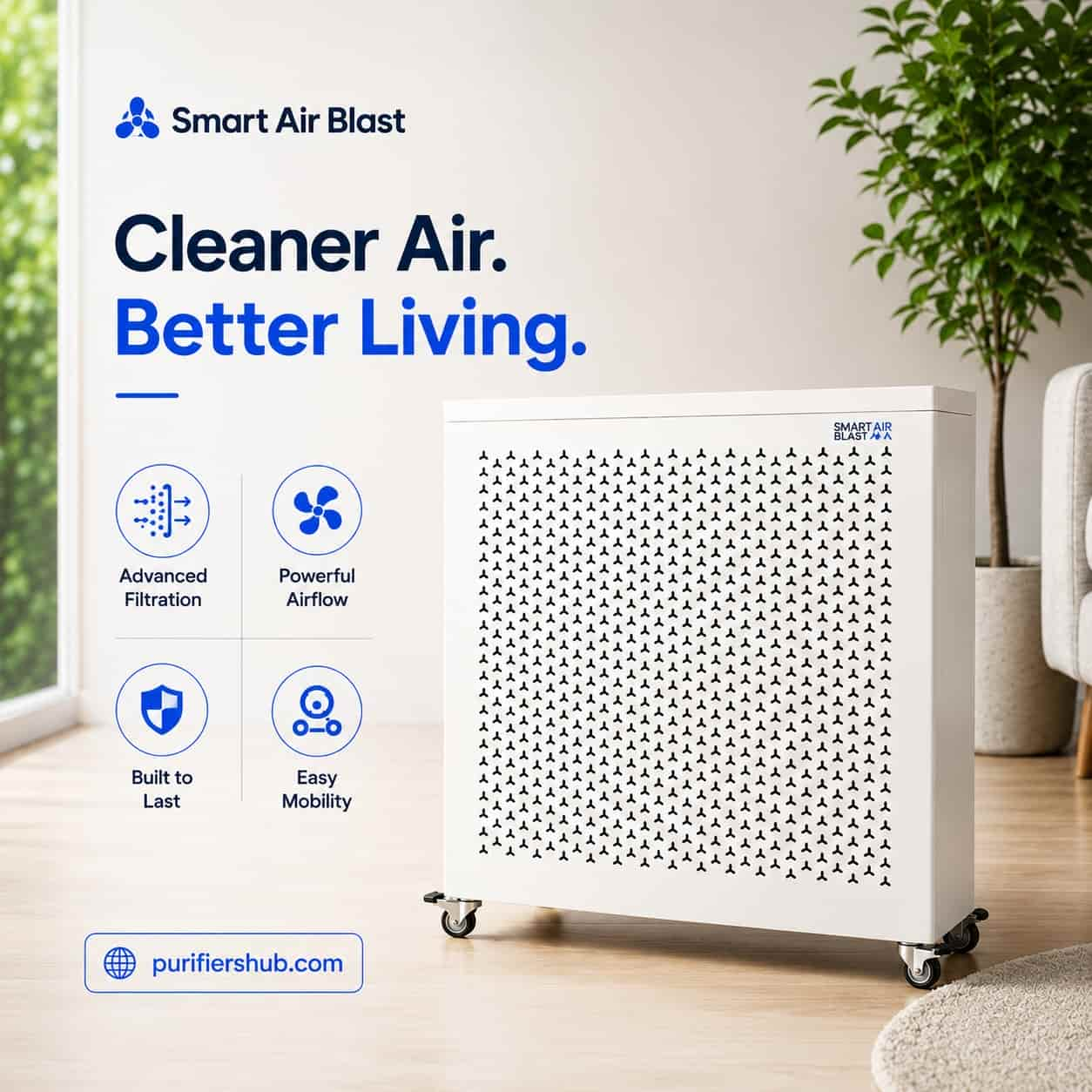
Smart Air Blast
About HEPA Air Purifier: Find the Best One for Your Home
A HEPA air purifier uses a mechanical filter designed to capture very small airborne particles, making it a popular choice for improving indoor air quality. The right model can vary based on room size, filtration needs, airflow, and features such as activated carbon for odors. In this guide, we compare HEPA air cleaners and air purifiers with HEPA filters to help you understand their key features and choose a suitable option for your home. You'll also find practical information on filtration, room coverage, and other factors worth considering before buying.
Frequently Asked Questions
What is a HEPA air purifier and how does it work?
A HEPA air purifier uses a pleated mechanical filter designed to capture very small airborne particles. According to the U.S. EPA, a true HEPA filter can theoretically remove at least 99.97% of particles measuring 0.3 microns under specified test conditions. Portable units use a fan to draw indoor air through the filter and return filtered air to the room. Performance also depends on factors such as airflow, CADR, room size, and how consistently the unit is operated.
What should you consider when choosing a HEPA air purifier for your home?
Start with the size of the room and compare it with the unit's recommended coverage and Clean Air Delivery Rate (CADR). Filter type is another important consideration, especially if the goal is particle filtration versus odor or gas reduction. Other factors include replacement-filter availability, noise levels, energy use, operating modes, and maintenance requirements. A model with activated carbon may also be useful when odor or certain gases are a consideration.
What room size is suitable for a HEPA air cleaner?
The appropriate room size depends largely on the unit's CADR and the space where it will operate. A higher CADR generally allows an air cleaner to filter particles more quickly and serve a larger area. Room dimensions, ceiling height, and the layout of an open space can also affect the selection. Checking the manufacturer's published room-size recommendation and CADR is a more reliable approach than choosing a model based only on its physical size.
How often should HEPA filters be replaced?
Filter replacement depends on the specific model, filter design, operating conditions, and how heavily the unit is used. Manufacturers normally provide a recommended replacement interval or an indicator that signals when maintenance is needed. Dusty environments, frequent operation, or heavy particle loads can cause filters to become loaded sooner. A dirty or overloaded filter can reduce airflow and filtration performance, so following the manufacturer's maintenance instructions is important.
Can a HEPA air cleaner remove odors and gases?
HEPA filtration is primarily designed to capture airborne particles rather than gases or odors. For those pollutants, some air cleaners use an activated carbon or other gas-phase filter alongside the particle filter. The effectiveness of carbon filtration depends partly on the amount and design of the carbon material. Buyers should check the manufacturer's specifications to determine whether a particular model is designed to address odors or gaseous pollutants.